Tibetan yak herders noticed their animals growing livelier after grazing where Cordyceps grew, and it entered Himalayan tradition as a vitality tonic. Centuries later it made headlines when Chinese endurance athletes credited it in their training regimes.

The Herbarium / N° 05
Cordyceps
Cordyceps sinensis
Functional mushroom
A high-mountain fungus famous for its stamina story, now grown vegan and novel food-compliant.
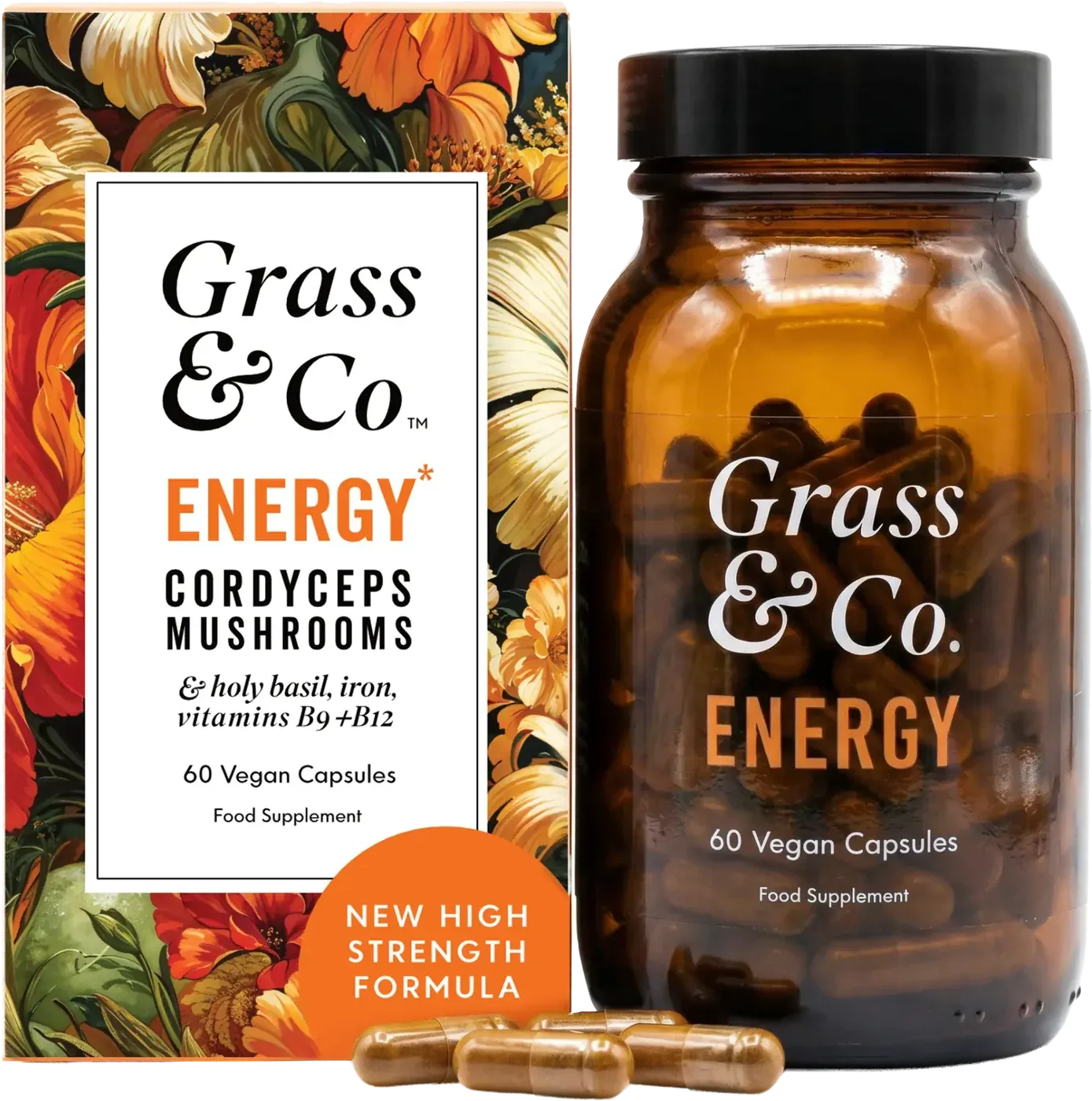
Liquid-fermented Cordyceps sinensis mycelium, produced under controlled conditions to meet UK novel food requirements, then extracted for active compounds. Manufactured in the UK.
- Cordycepin
- A nucleoside analogue unique to the genus.
- Adenosine
- Involved in cellular energy transfer.
- Beta-glucans
- The polysaccharide fraction, as with all our mushrooms.
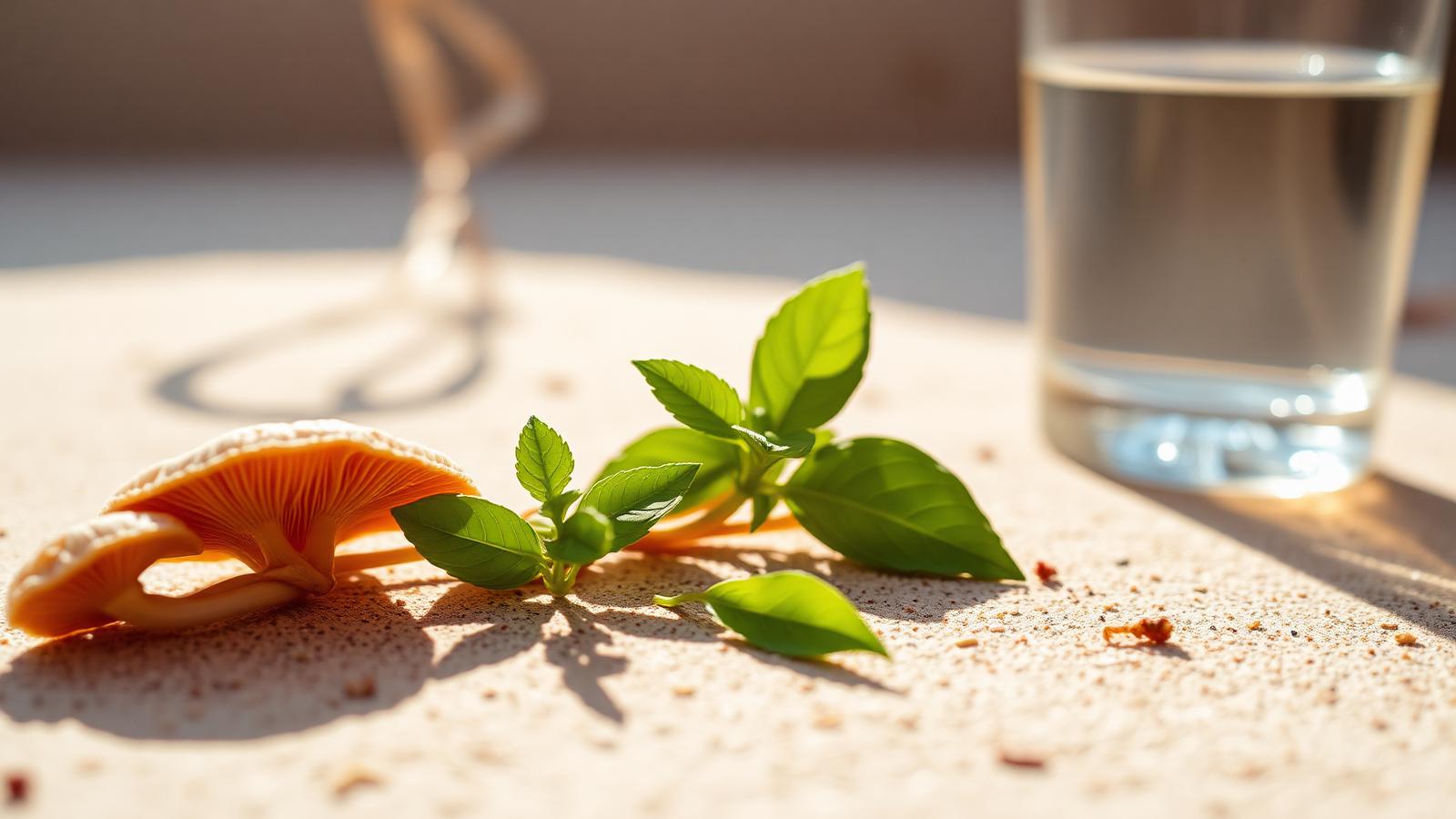
Cordyceps sinensis mycelium, greenhouse-grown on natural substrates in fully traceable conditions, not militaris, and never harvested from insect hosts. This is the form that complies with UK novel food rules.
Cordyceps has been studied in exercise physiology for oxygen utilisation and endurance, with mixed and mostly small human trials. In our ENERGY formula the authorised energy claims come from iron, folate and B12, not the mushroom.
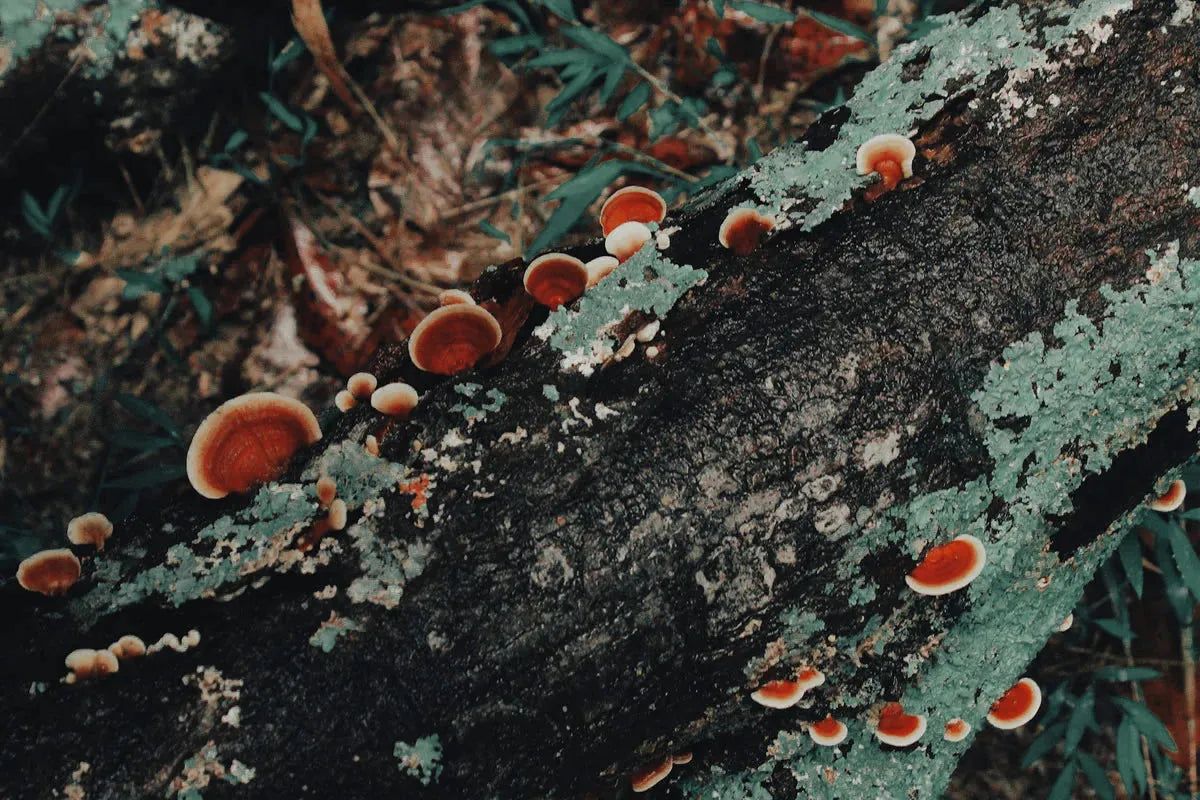
- Wild Cordyceps parasitises caterpillars on the Tibetan plateau, which is why it can sell for more per gram than gold, and why we don't use it.
- Chinese athletes brought it to global attention after a record-breaking 1993 track season.
- Cultivated mycelium gives a consistent, traceable and vegan-friendly supply.
Dong chong xia cao (winter worm, summer grass)Cordyceps sinensis mycelium
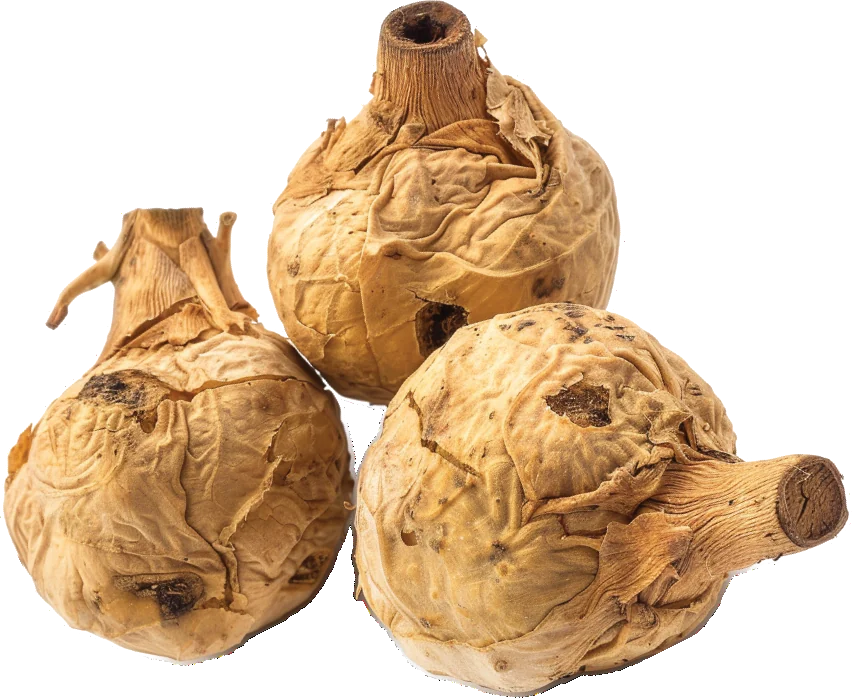
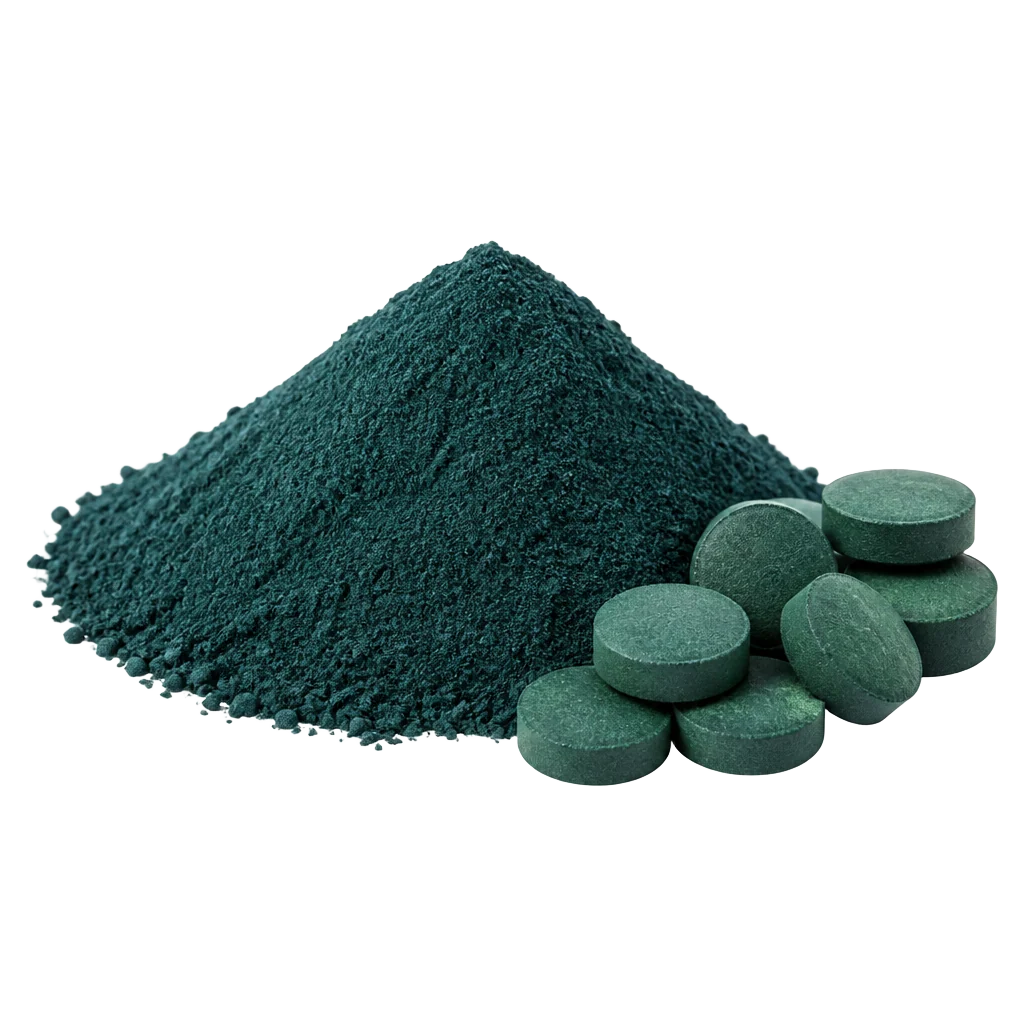
Traditional use reflects historical and cultural practice, not licensed health claims. Always read the label and consult a healthcare professional if unsure.
Where you'll find it