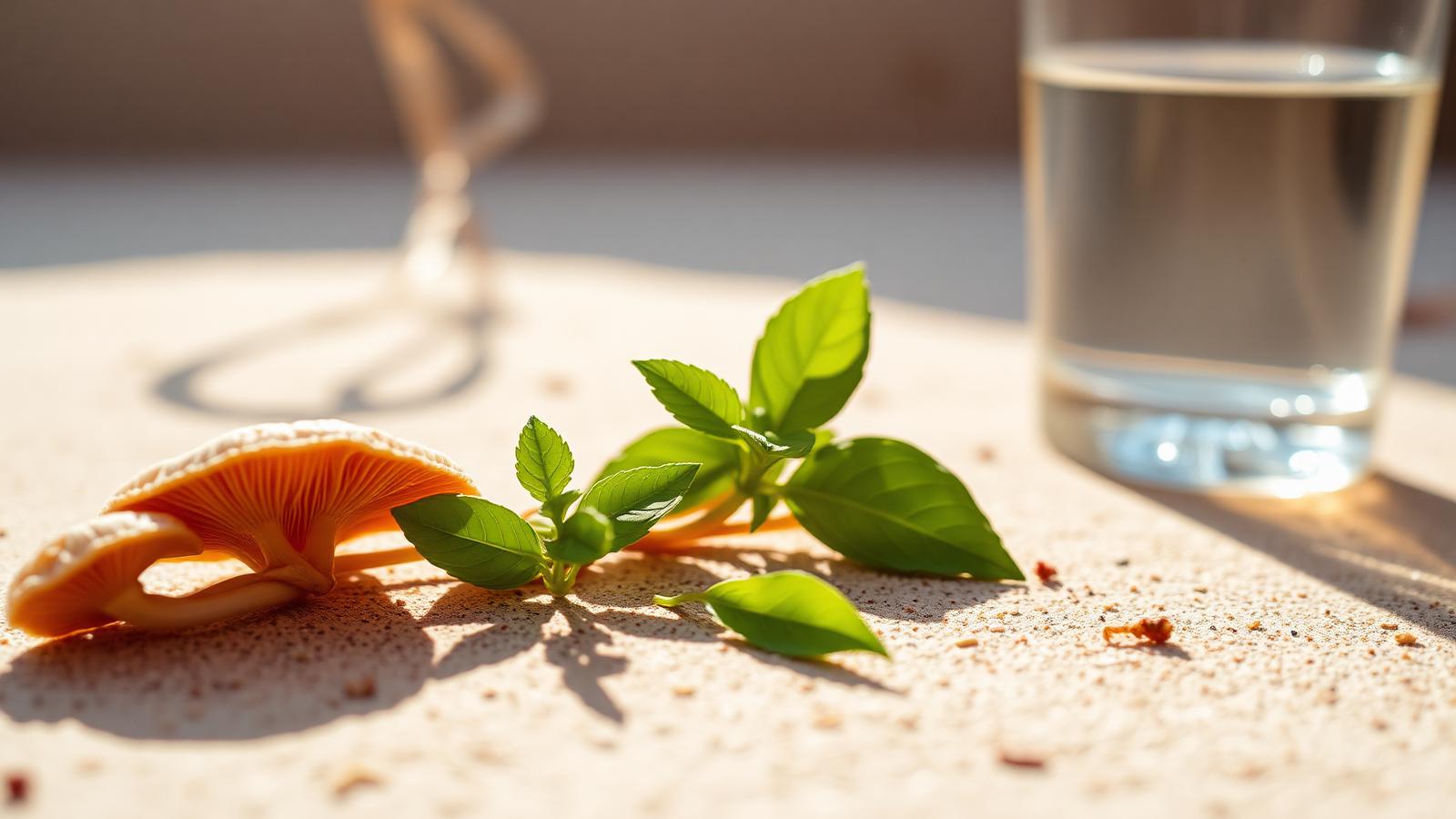
Cultivated for at least 2,000 years on the harsh Junín plateau, Maca was a staple of Inca life, reputedly given to warriors before long campaigns and treasured as a stamina food where nothing else would grow.
The Herbarium / N° 13
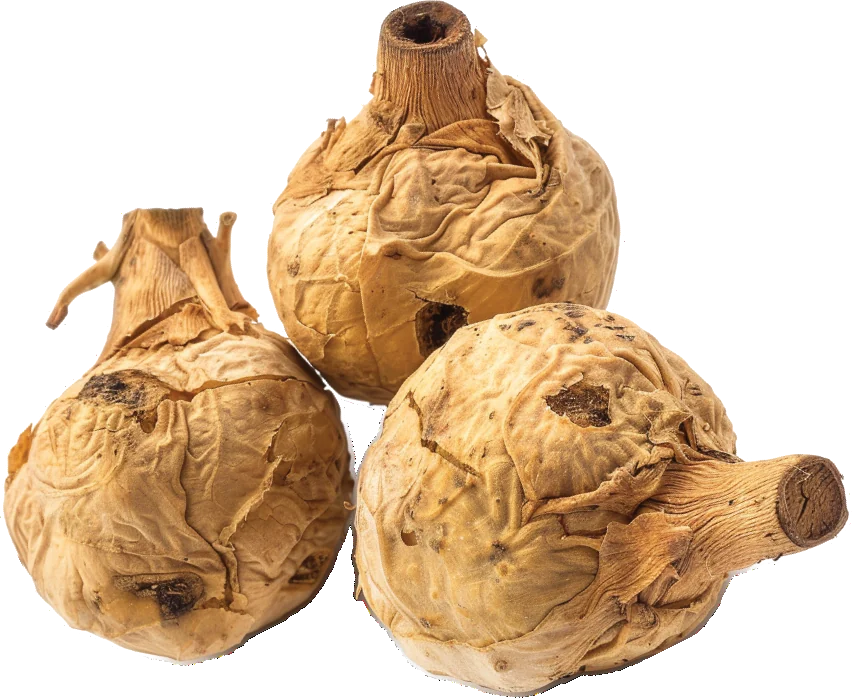
Maca Root
Lepidium meyenii
Botanical
A stubborn little turnip that only grows above 4,000 metres in the Peruvian Andes.
Grown only above 4,000 metres on Peru's Junín plateau, the harsh Andean altitude is precisely what makes it potent.
- Macamides
- Fatty acid amides found only in maca.
- Glucosinolates
- The mustard-family compounds behind its flavour.
Gelatinised root powder from the Peruvian Andes, gelatinisation removes raw starch and makes it far easier to digest.
Maca has been studied in small Peruvian trials for energy, mood and endurance measures in adults living at altitude.
- It grows above 4,000 metres, in soil and UV conditions that kill most crops.
- Incan tradition holds that it was fed to messengers and warriors before long journeys.
- Roots come in colour grades, yellow, red and black, with slightly different compound profiles.
Lepidium meyeniiPeruvian ginsengMaka
Traditional use reflects historical and cultural practice, not licensed health claims. Always read the label and consult a healthcare professional if unsure.
Where you'll find it