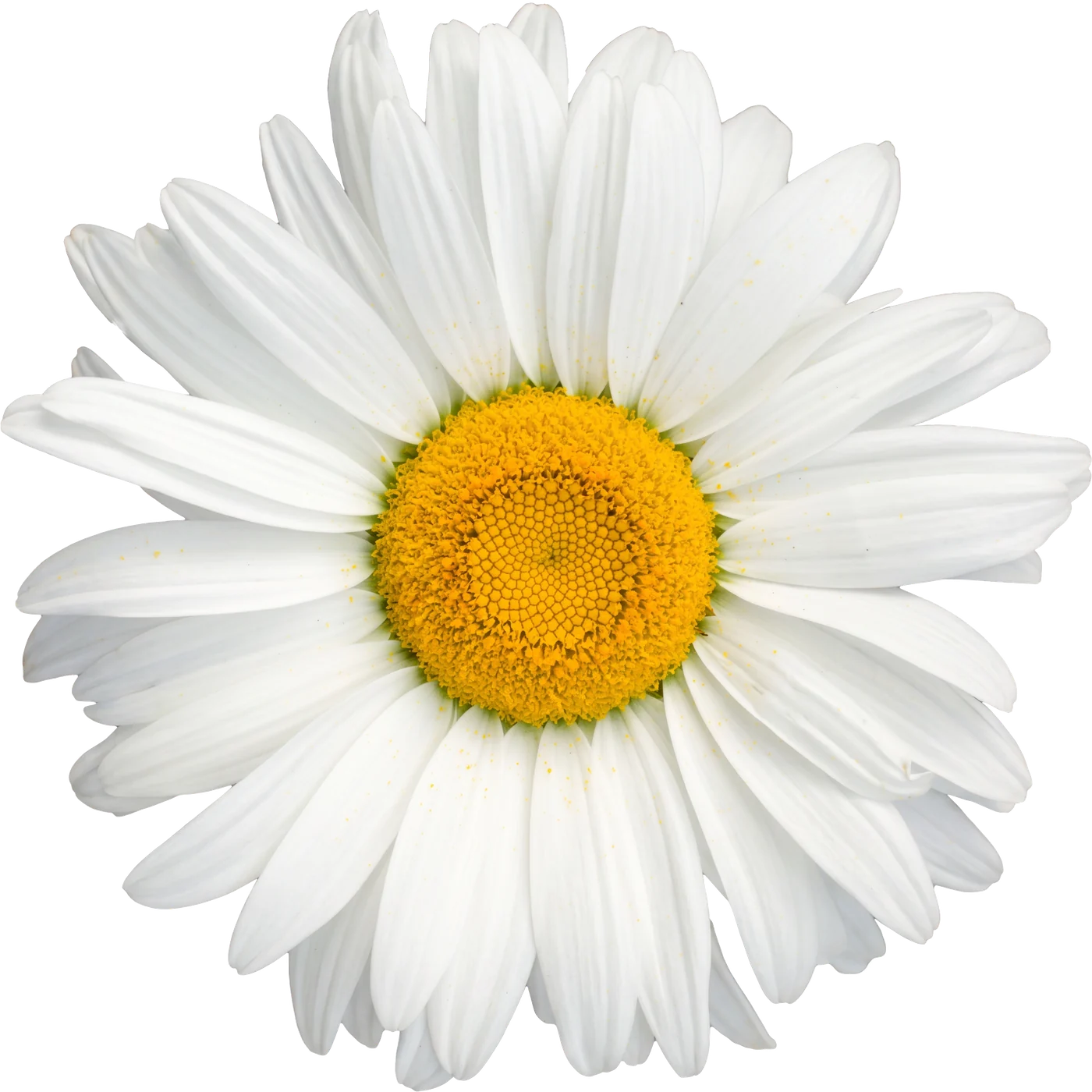
Dedicated to the sun god Ra by the ancient Egyptians and beloved by Roman herbalists, Chamomile has been the world's evening tea for thousands of years, the universal signal that the day is done.
The Herbarium / N° 10
Chamomile
Matricaria chamomilla
Botanical
The little daisy that has tucked half of history into bed.
The same daisy-family flower grown across Europe and Egypt for millennia, harvested at full bloom when its aromatic oils are richest.
- Apigenin
- A flavonoid widely studied for its binding affinity in the brain.
- Bisabolol
- The soothing component of chamomile essential oil.
- Chamazulene
- Gives steam-distilled chamomile oil its deep blue colour.
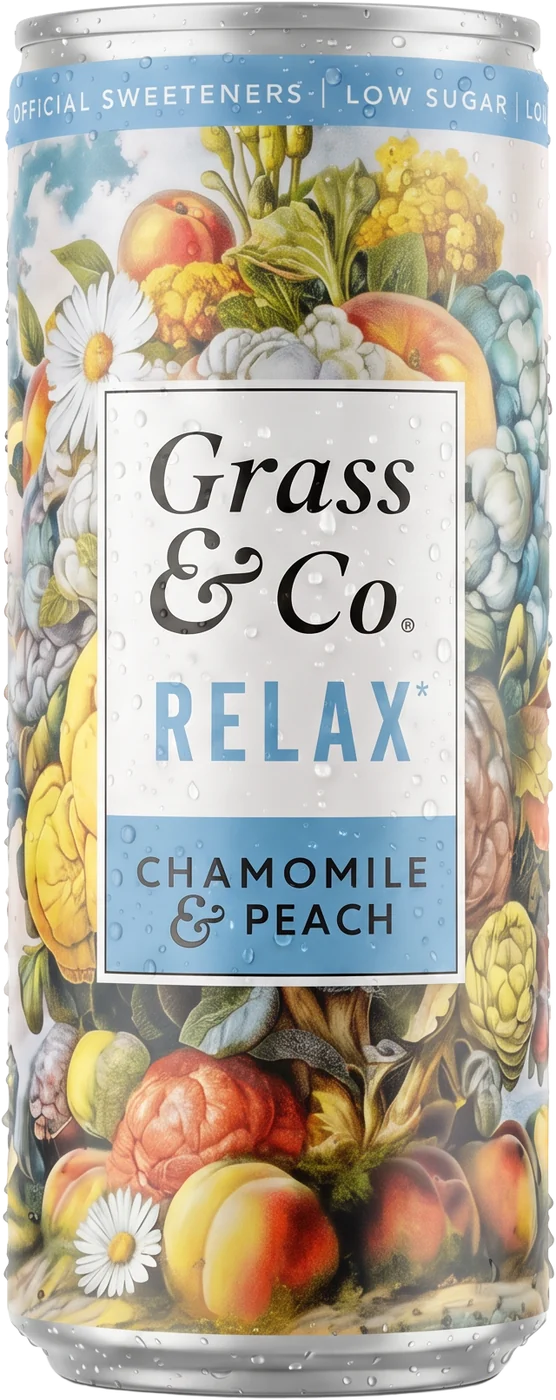
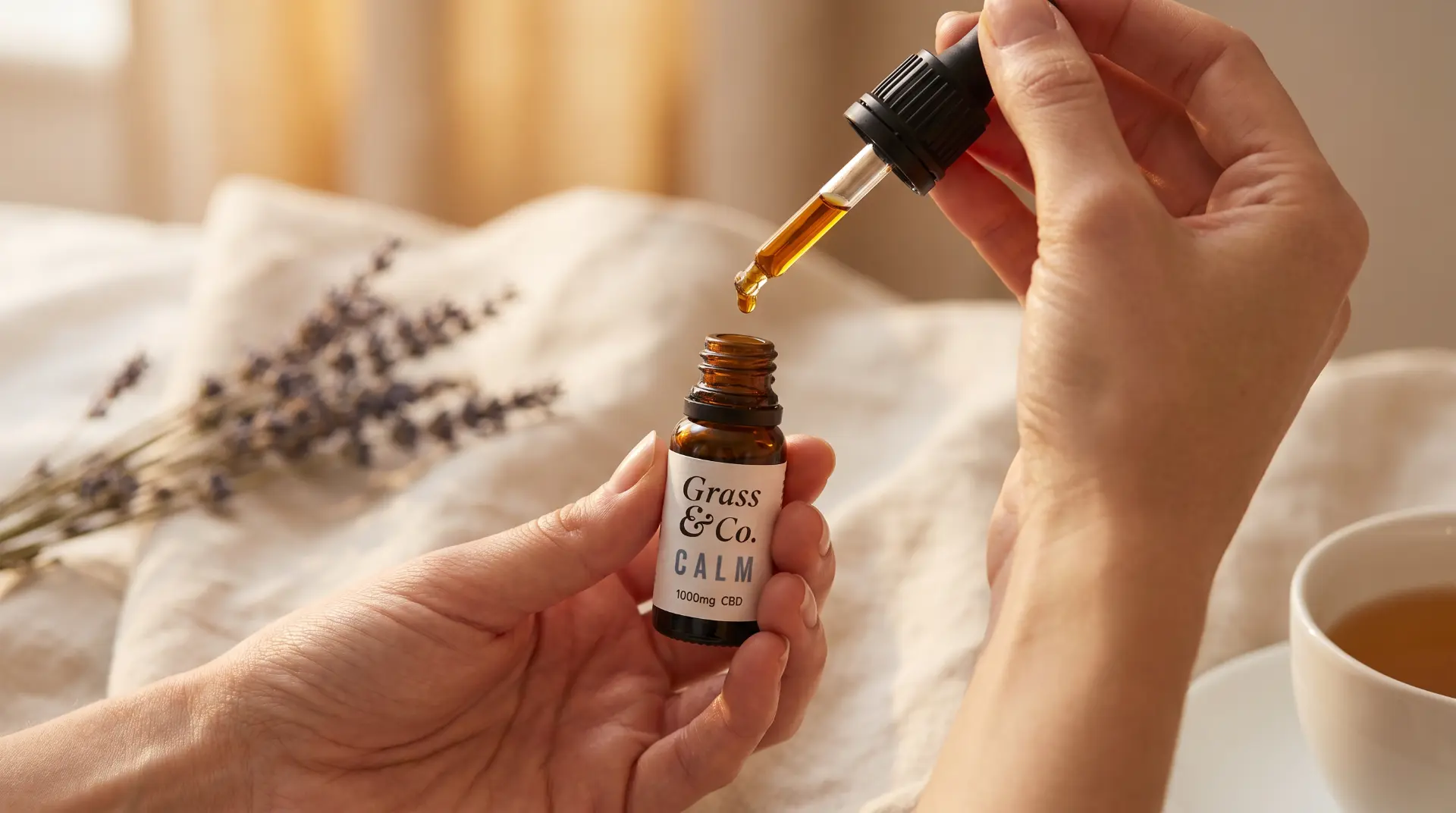
Flower-head extract, used in our evening formulas and Liquid RELAX.
Chamomile is one of the most consumed herbs on earth and has been studied in small trials for sleep quality and generalised anxiety measures.
- The name comes from the Greek chamaimelon, 'ground apple', for the smell of the crushed flowers.
- German and Roman chamomile are different plants with different chemistry; ours is German.
- Steeping covered keeps the volatile oils in the cup rather than in the steam.
German chamomileMatricaria chamomillaScented mayweed
Traditional use reflects historical and cultural practice, not licensed health claims. Always read the label and consult a healthcare professional if unsure.
Where you'll find it