One of the cornerstone rasayana herbs of Ayurveda, Ashwagandha has been used in India for over 3,000 years to help the body adapt to stress and to support restful sleep. Its Sanskrit name nods to the strength of a stallion.
The Herbarium / N° 07
Ashwagandha
Withania somnifera
Adaptogen
Ayurveda's most famous adaptogen, a small shrub with a three-thousand-year reputation.
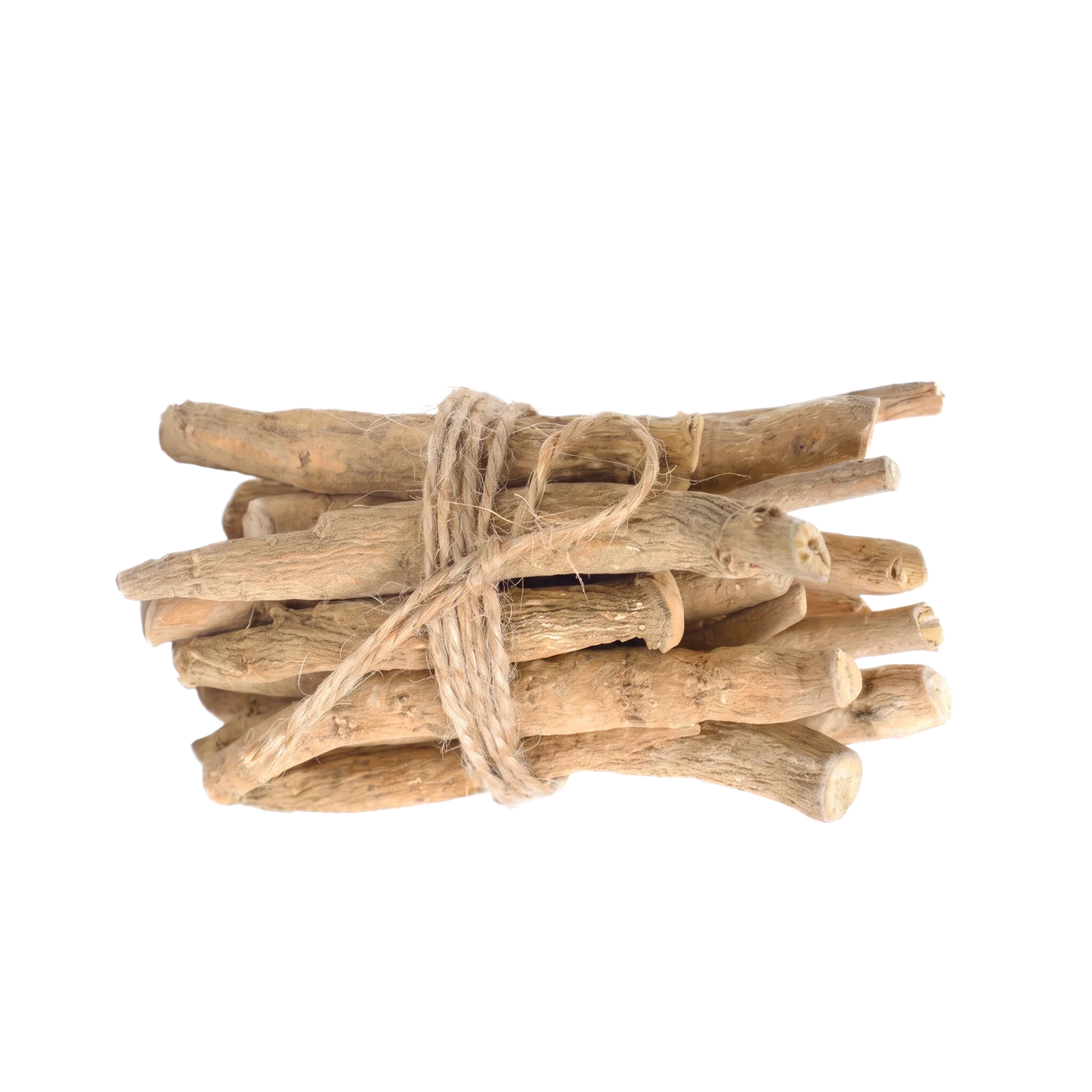
A root-only extract from India, where the shrub has been farmed for millennia, our KSM-66 is never padded out with leaf material.
- Withanolides
- The steroidal lactones extracts are standardised against.
- Sitoindosides
- Glycowithanolides studied alongside them.
Root extract standardised for withanolides, the root, not the leaf, which is the part with the deepest traditional and clinical record.
Among the most trialled adaptogens, with randomised studies looking at stress markers and sleep quality. Results are promising but the trials are small and no UK health claim is authorised.
- The Sanskrit name means 'smell of the horse', partly the root's aroma, partly the vigour it was said to confer.
- It's a nightshade, related to tomato and aubergine.
- In Ayurveda it's classed as a rasayana: a preparation taken over long periods, not for a single evening.
Withania somniferaIndian winter cherrySmell of the horse
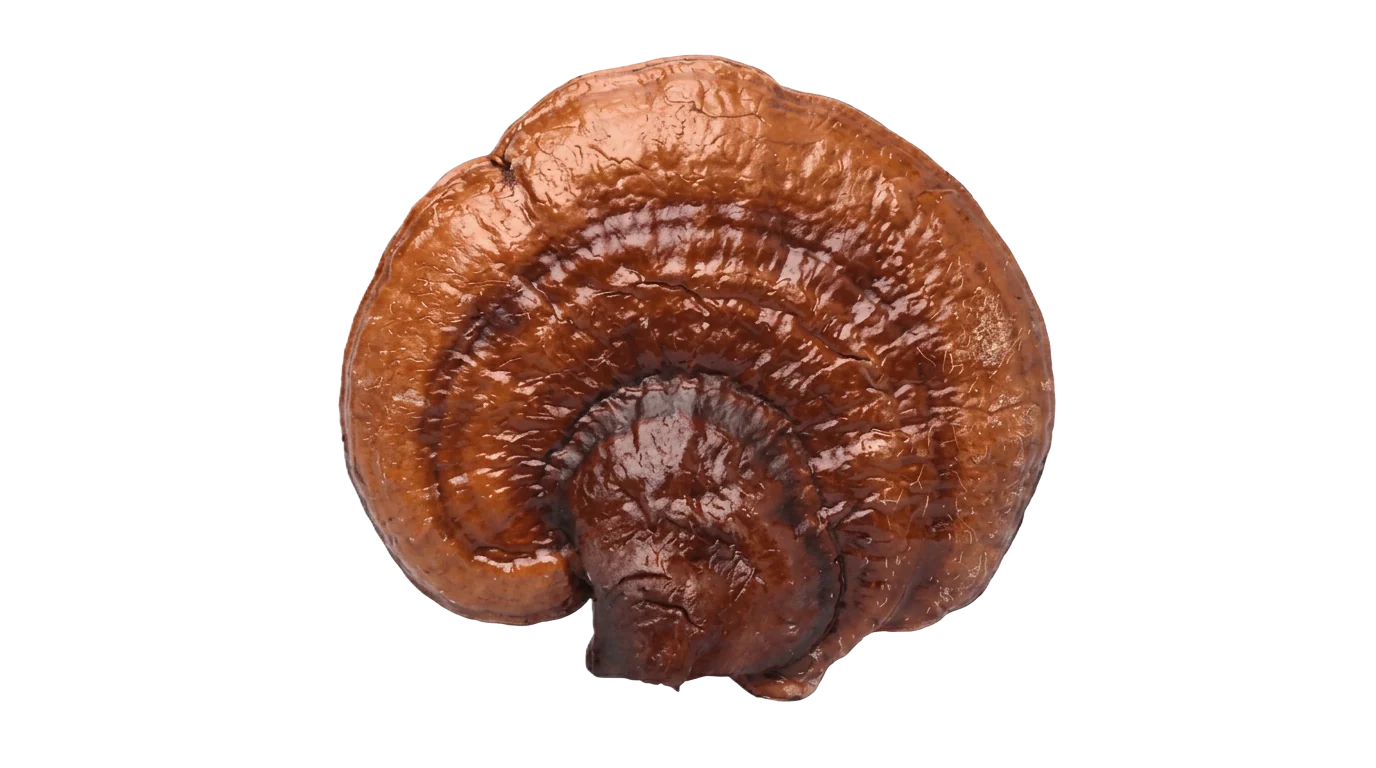
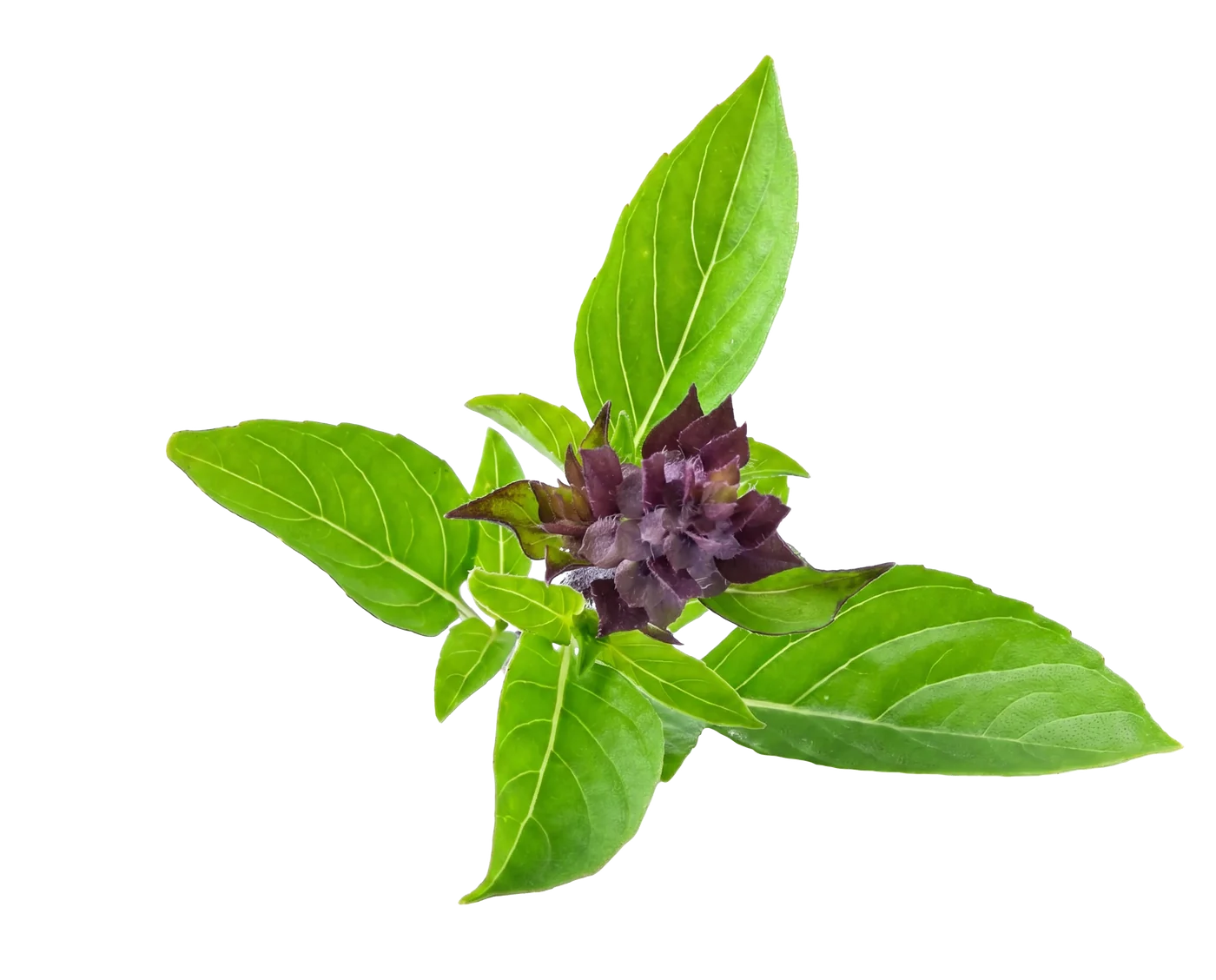
Traditional use reflects historical and cultural practice, not licensed health claims. Always read the label and consult a healthcare professional if unsure.
Where you'll find it