Most supplement writing is enthusiastic. This one is not, deliberately.
Functional mushrooms have a good safety record. They are foods, eaten for centuries, and the doses in a capsule are modest. But "generally well tolerated" is not the same as "fine for everyone", and the honest version of this conversation includes the people who should not take our products at all.
Who should not take these
Children. None of our supplements are formulated or tested for anyone under eighteen. This includes the drinks.
Pregnancy and breastfeeding. The research simply is not there for functional mushrooms and botanicals in pregnancy, and the absence of evidence is not reassurance. Ashwagandha in particular is not recommended during pregnancy. Speak to your midwife or GP before taking anything.
Anyone with a mushroom allergy. Obvious, and worth stating.
Anyone on prescribed medication, without asking first. This is the important one, and it deserves detail.
Interactions worth knowing about
These are the ingredient-level considerations that come up most often. None of them are reasons to panic; all of them are reasons for a two-minute conversation with a pharmacist.
- Anticoagulants and antiplatelets (warfarin, clopidogrel, and similar). Several mushrooms and Omega-3 have been discussed in relation to blood clotting. If you are on blood thinners or have surgery scheduled, ask before you start, and mention supplements to your surgical team.
- Blood pressure and blood sugar medication. Reishi and some other mushrooms have been studied in relation to blood pressure and glucose. If you are already medicated for either, changes should be monitored rather than assumed.
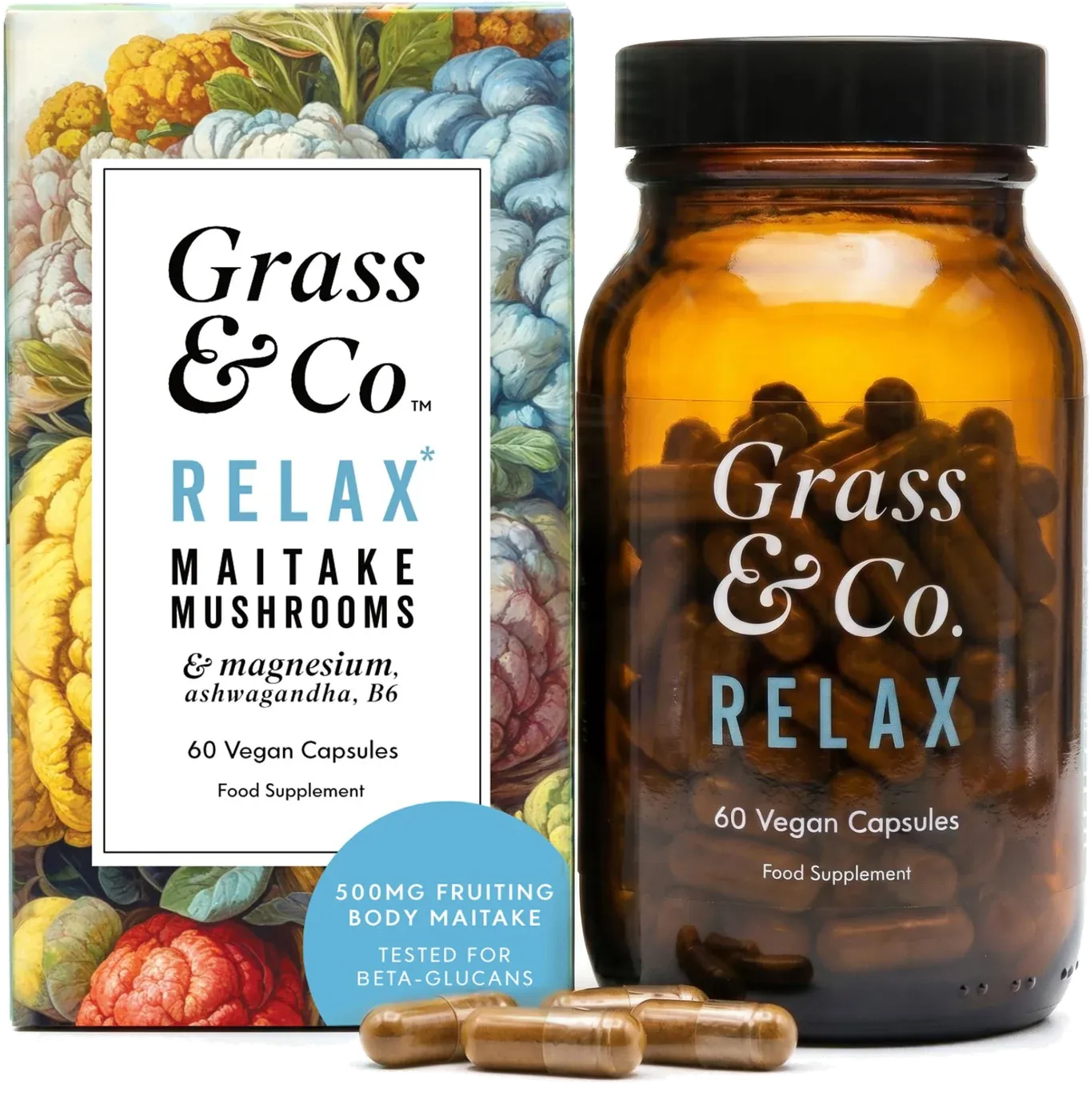
- Thyroid medication. Ashwagandha, in RELAX and Liquid RELAX, may affect thyroid hormone levels. If you take levothyroxine or are treated for a thyroid condition, check first.
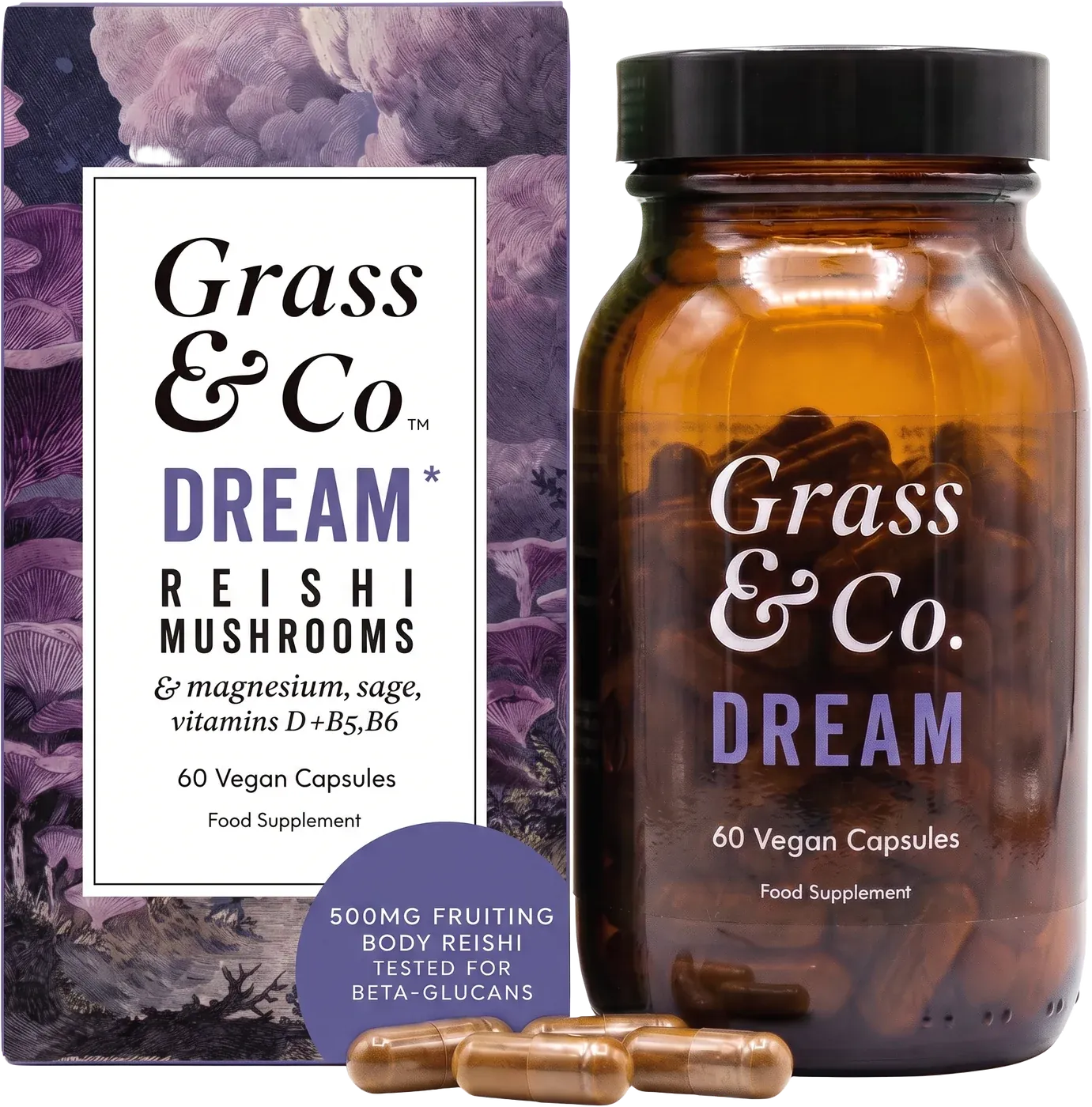
- Sedatives and sleep medication. DREAM and Liquid RELAX contain ingredients traditionally used for calm. Stacking them on top of prescribed sedatives is not a good idea without advice.
- Immunosuppressants. If you take immune-modulating medication, or have had a transplant, speak to your specialist before taking any mushroom supplement.
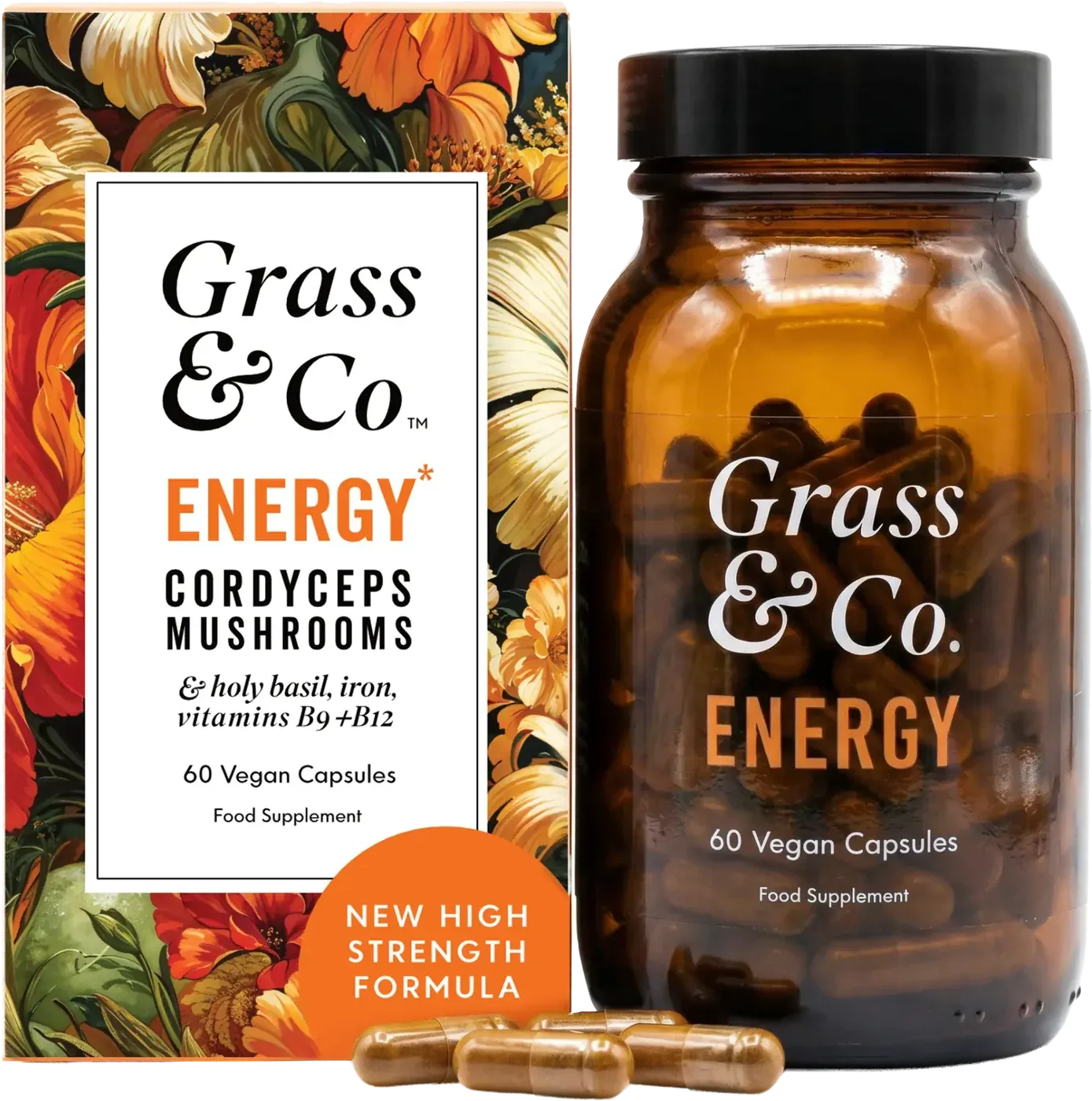
- Iron. ENERGY contains iron. Do not take it alongside another iron supplement, and keep it away from anyone who has been told to limit iron intake.
- Caffeine. Liquid POWER contains added natural caffeine. Count it in your daily total, and treat it as you would a coffee, not as a free extra.
Side effects, realistically
The most common thing people report in the first week is mild digestive upset, a bit of loose stool or a heavy stomach. It usually settles, and it usually settles faster if you take capsules with food rather than on an empty stomach. Powders occasionally cause the same thing when people start at a full scoop instead of half.
Beyond that: a small number of people find Lion's Mane makes them feel oddly wired, and a small number find Reishi makes them drowsy earlier in the evening than they wanted. Both are reasons to change the timing rather than the product.
Anything that looks like an allergic reaction, rash, swelling, difficulty breathing, means stop immediately and seek medical advice.
Can you take more than one?
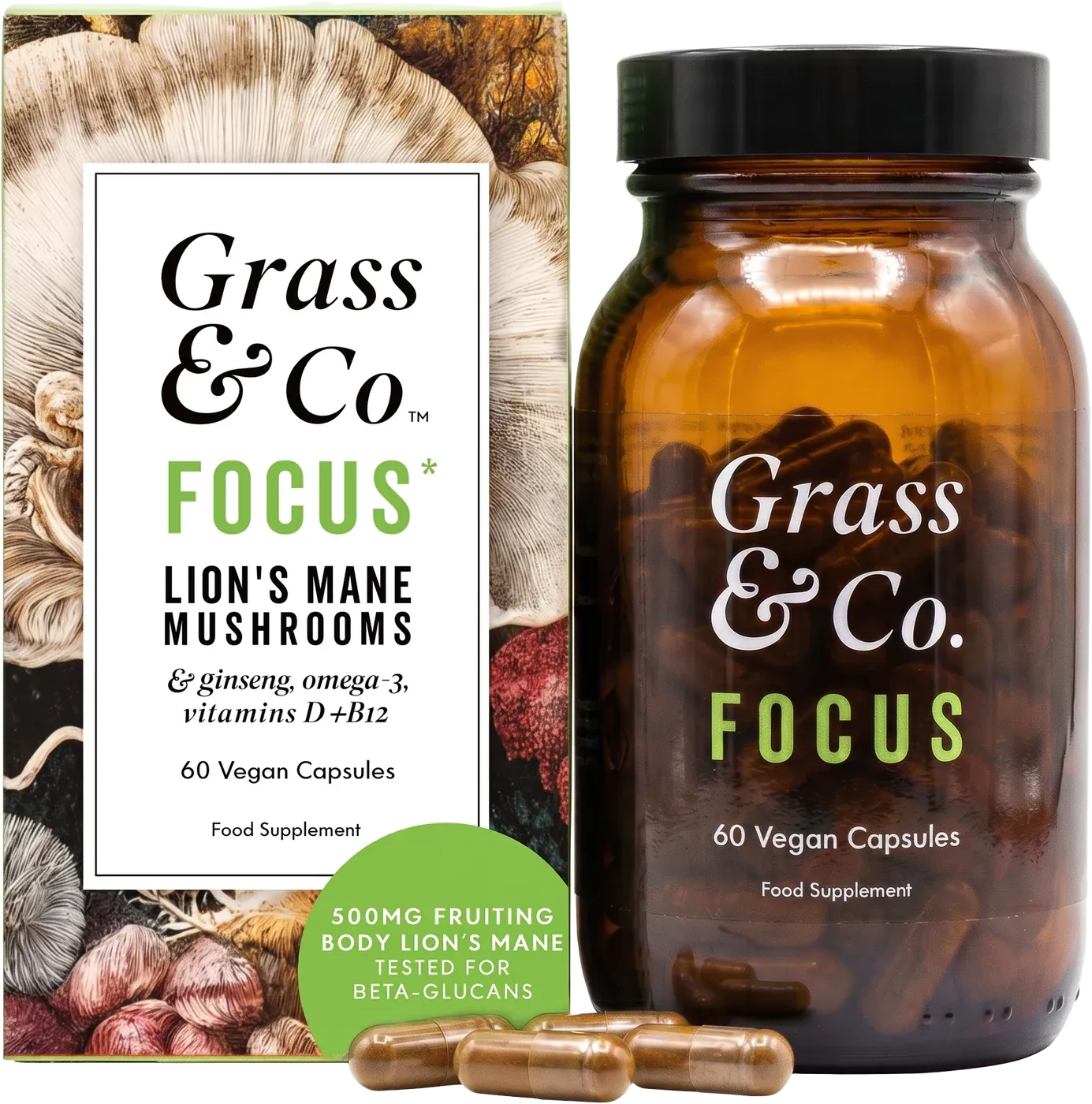
Yes, and most people do. FOCUS in the morning and DREAM at night is the most common pairing we see, and there is no ingredient conflict between them. Where it starts to matter is if you are combining several products that each contain the same vitamin or mineral. Read the labels, add up the B vitamins, iron and magnesium across everything you take, and do not exceed the stated dose of any individual product.
The honest summary
These are food supplements. They are not medicines, they do not treat or prevent disease, and nothing on this site should be read as though they do. They work best as a small, consistent part of a life that also contains sleep, daylight and vegetables. If you have a health condition, if you are on medication, or if you are pregnant, the answer is not "probably fine", it is "ask someone who has your notes in front of them".
Food supplements should not be used as a substitute for a varied and balanced diet and a healthy lifestyle.

ONE GOOD THING,
EVERY SUNDAY MORNING.
A ritual, a recipe or something we've learned in the undergrowth, plus first dibs on new pours and stockist news. No noise, ever.