Almost every mushroom supplement in Britain makes the same claims. Organic. Fruiting body. High strength. Third-party tested. The words cost nothing, which is exactly the problem.
Here is what sits behind ours, and, more usefully, the questions that will tell you whether a brand's version of the same sentence means anything.
1. Which part of the fungus
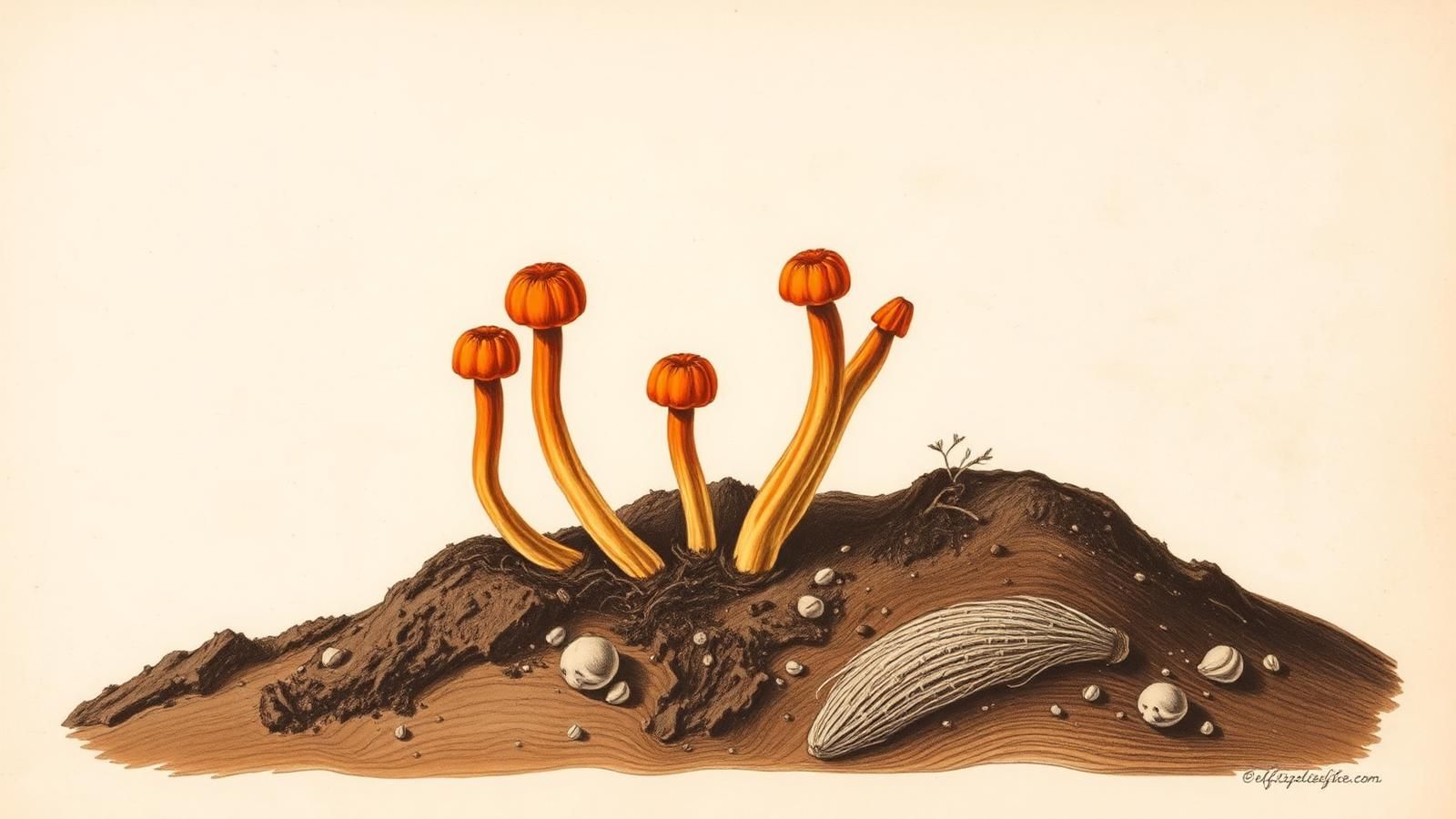
A mushroom has a fruiting body, the thing you would recognise as a mushroom, and mycelium, the root-like network beneath it. Both are real fungus. They are not the same material.
Most cheap supplements use mycelium grown on grain, and crucially the grain is not separated out before milling. What you buy is mycelium plus a large amount of leftover starch. It is why some products list a high number of milligrams and still deliver very little of the compounds people are actually interested in. The tell is a beta-glucan figure that is missing, or an ingredient line reading "mycelial biomass".
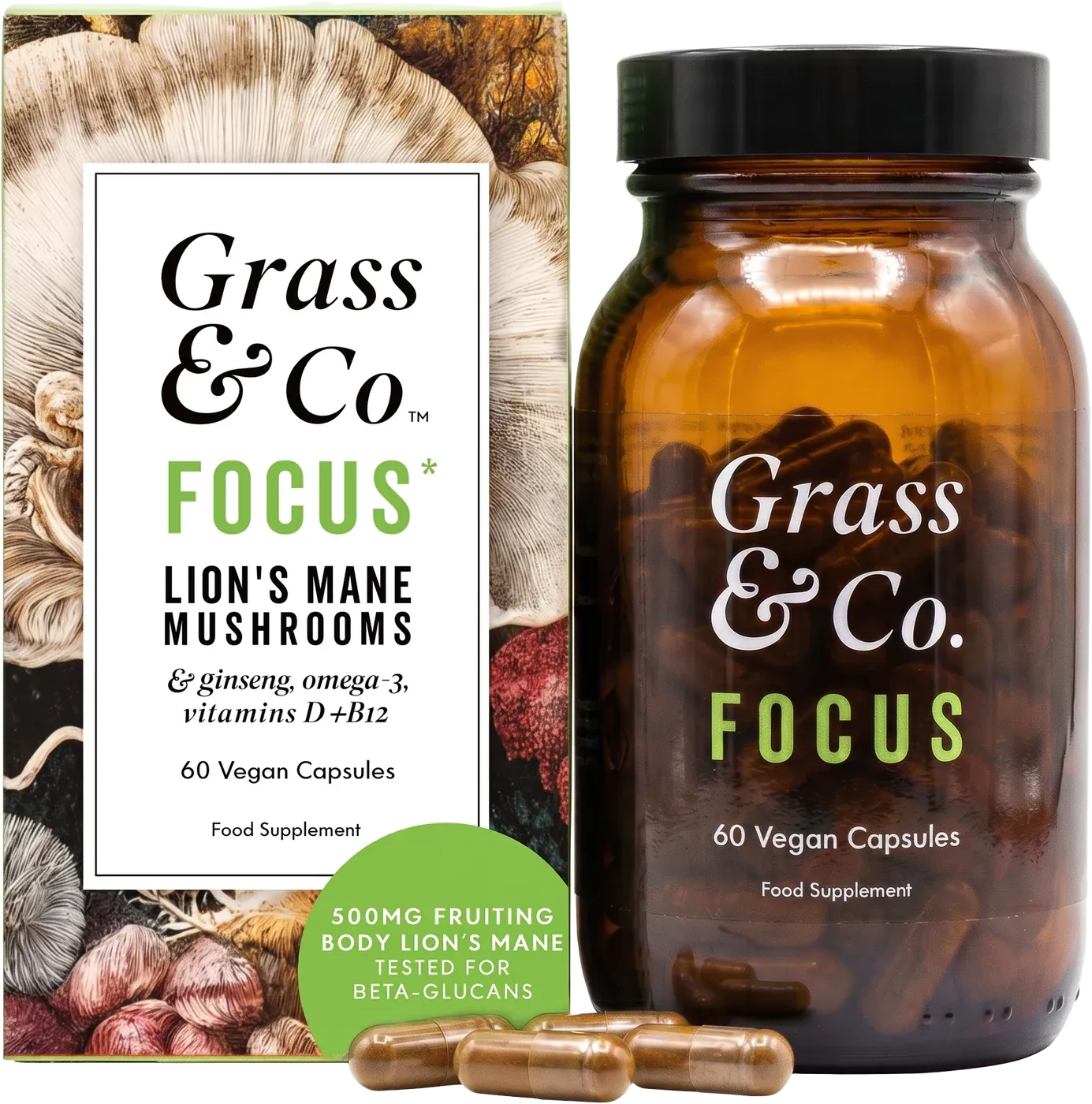
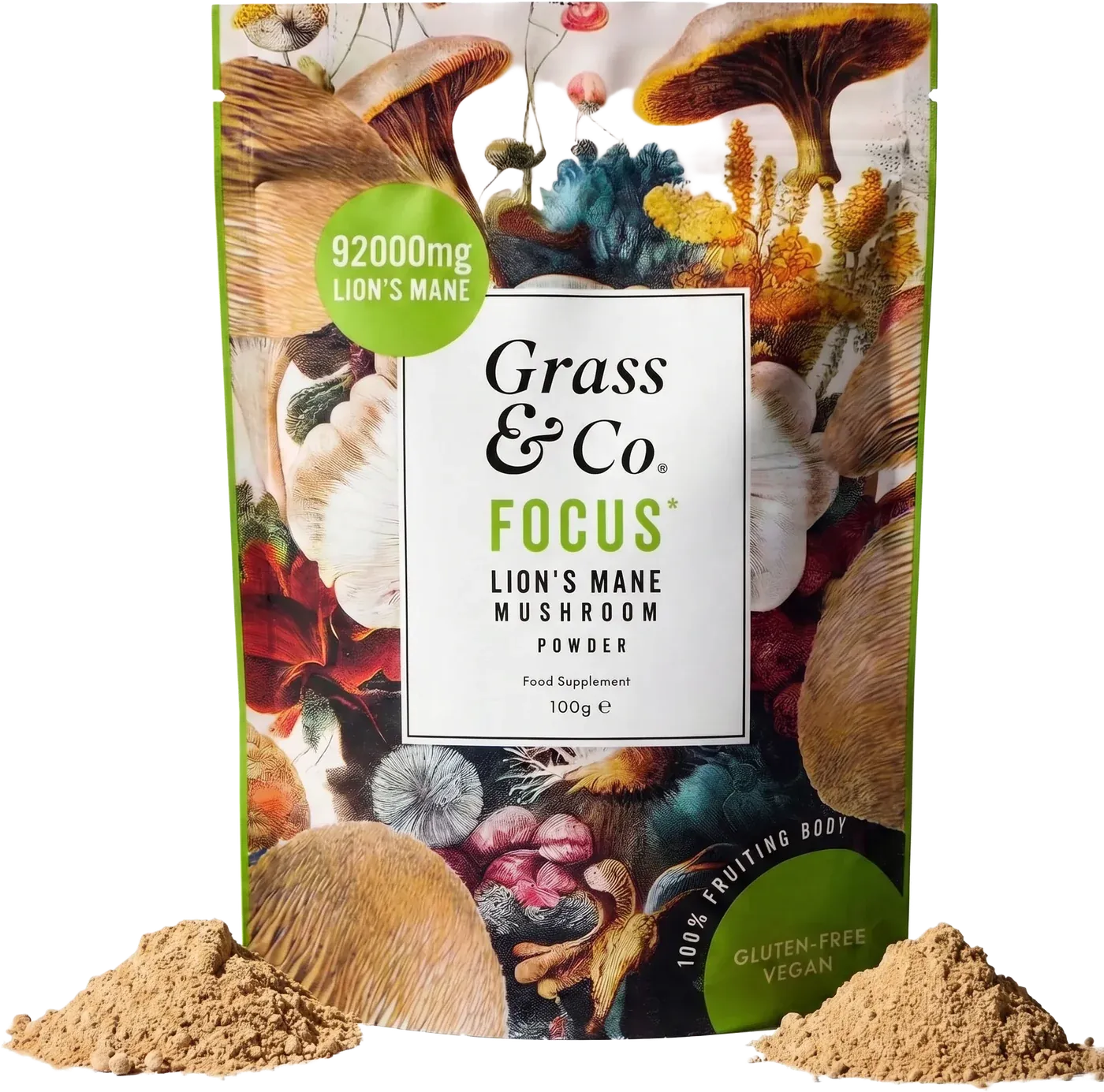
We use 100% fruiting body extract for Lion's Mane, Reishi, Maitake and Shiitake. The single exception is Cordyceps sinensis in ENERGY, which uses liquid-fermented mycelial biomass because it has a compliant UK food history. No grain, no mycelium-on-grain, no filler.
2. Extract or powder
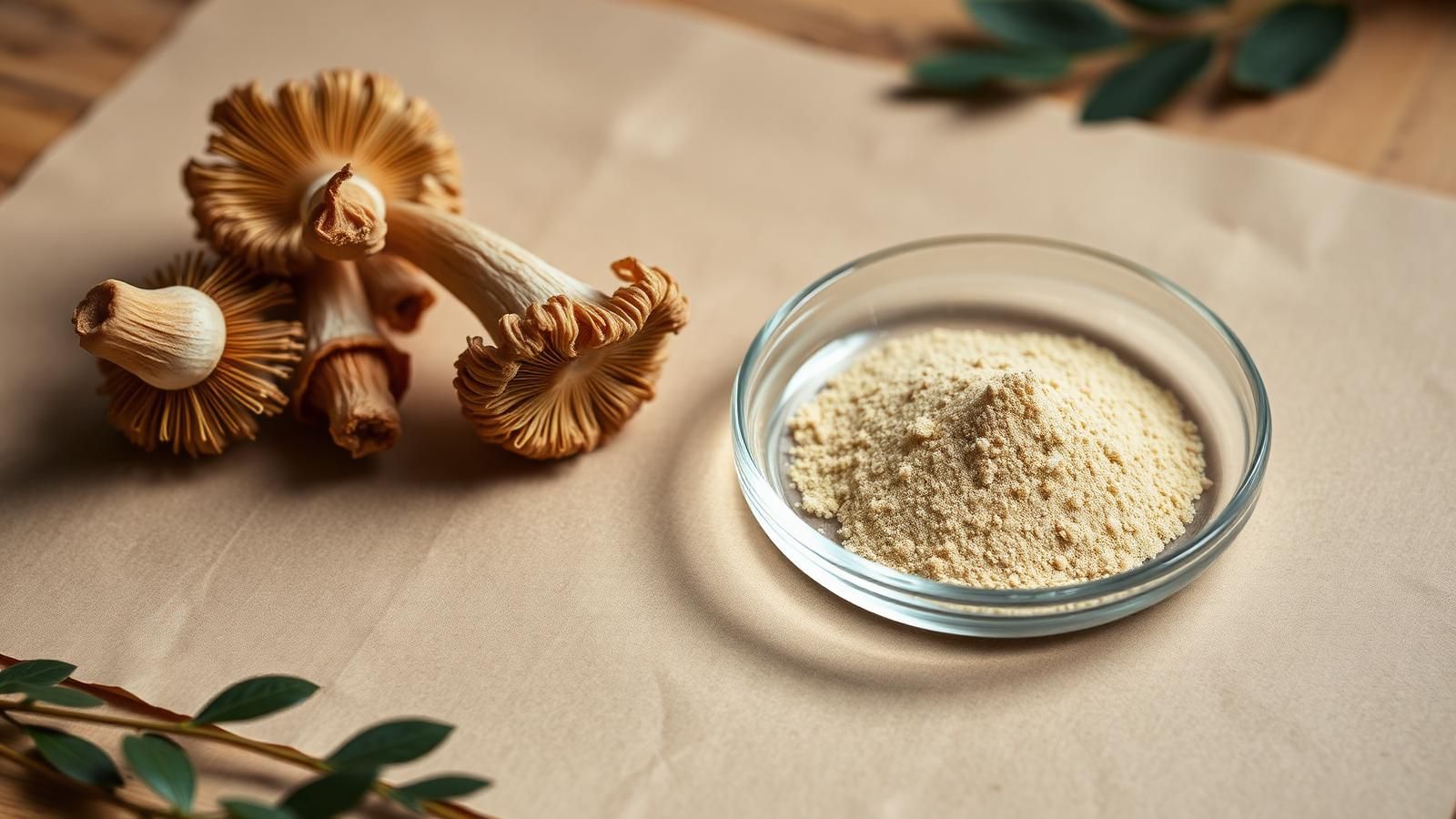
Dried, milled mushroom is not the same as extract. Fungal cell walls are made of chitin, which human digestion handles poorly, so a hot-water extraction step is what makes the beta-glucans available at all. This is not a modern invention, it is why every traditional preparation of Reishi or Chaga is a tea rather than a salad.
Ask for the extraction ratio. Ours are concentrated extracts, and the ratio is the number a brand will quote instantly if it is good and avoid if it is not.
3. What is actually in the batch
Mushrooms are efficient accumulators. They take up what is in their growing substrate, which is a virtue when the substrate is clean and a serious problem when it is not, heavy metals and pesticide residues concentrate in exactly the same way the good compounds do.
Every batch we produce is tested by an independent laboratory, and the certificates of analysis are published in full on our Science page. You can read the actual documents, page by page, without emailing anyone or downloading a PDF. Thirty-one of them, at the time of writing.
That is the standard we would apply to anyone else. If a brand says "third-party tested" but will not show you the certificate for the batch in your hand, it is a marketing claim rather than a testing programme.
4. Where it comes from, verified by someone else
We work with Provenance, an independent platform that verifies sustainability and sourcing claims. The proof points on our product pages are not our own assertions dressed up with a badge, they are checked by a third party, and they are the reason we can be specific about sourcing rather than gesturing at "nature".
Organic certification covers the growing. Vegan Society registration covers the formulation, nine of our products carry it, and we only use the sunflower trademark on those nine. Precision about which certification applies to which product is, in our experience, a decent proxy for whether a brand is telling the truth about anything else.
5. The blend, and why it is not just mushroom
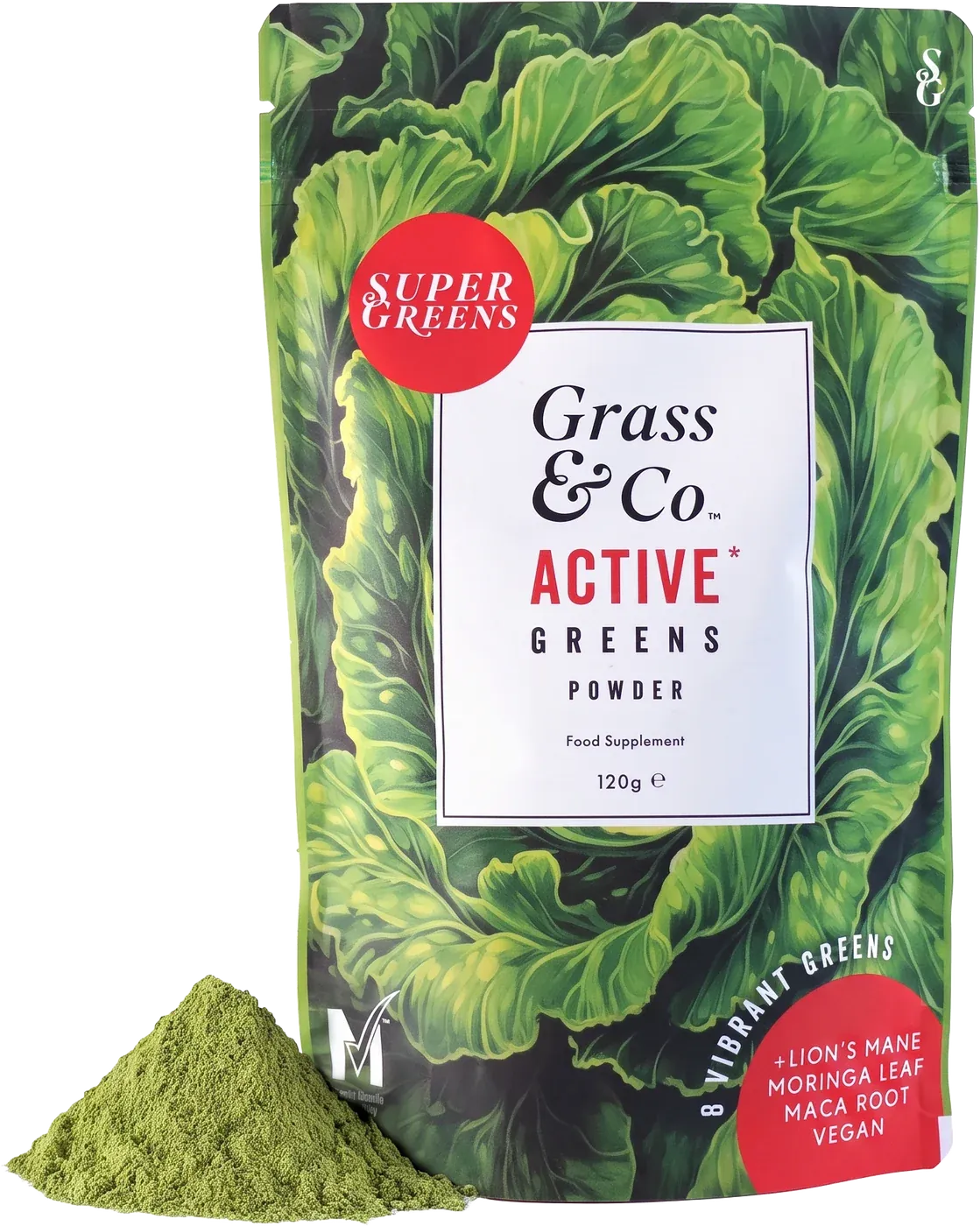
Under UK law, the mushroom in a supplement cannot carry a health claim. The vitamins and minerals can. That is why our formulas pair the mushroom with things like Vitamin B12, Iron, Magnesium or Vitamin D, not as filler, but because they are the part of the formula that is permitted to say what it does, and because the combinations reflect how these ingredients have traditionally been used together.
We call it the & Co. effect: the mushroom is the reason you came, and the botanicals and nutrients around it are the reason the blend does a job rather than a headline.
The five questions, short version
- Fruiting body or mycelium, and is the grain removed?
- Extract or milled powder, and at what ratio?
- Can I see the certificate of analysis for this batch?
- Who verified the sourcing claims, other than you?
- What is the rest of the formula for?
Any brand worth buying from will answer all five without flinching.
Food supplements should not be used as a substitute for a varied and balanced diet and a healthy lifestyle.
ONE GOOD THING,
EVERY SUNDAY MORNING.
A ritual, a recipe or something we've learned in the undergrowth, plus first dibs on new pours and stockist news. No noise, ever.