Lion's mane is the most talked about mushroom in the world right now, and most of what is said about it is not quite true.
Not false, exactly. Overstated. A promising early finding gets summarised, the summary gets summarised, and eight steps later it appears on a jar as a settled fact. We sell lion's mane. We would rather tell you where the evidence actually stands, including the parts that do not flatter us, because the alternative is joining in.
So here is an honest account.
What it is
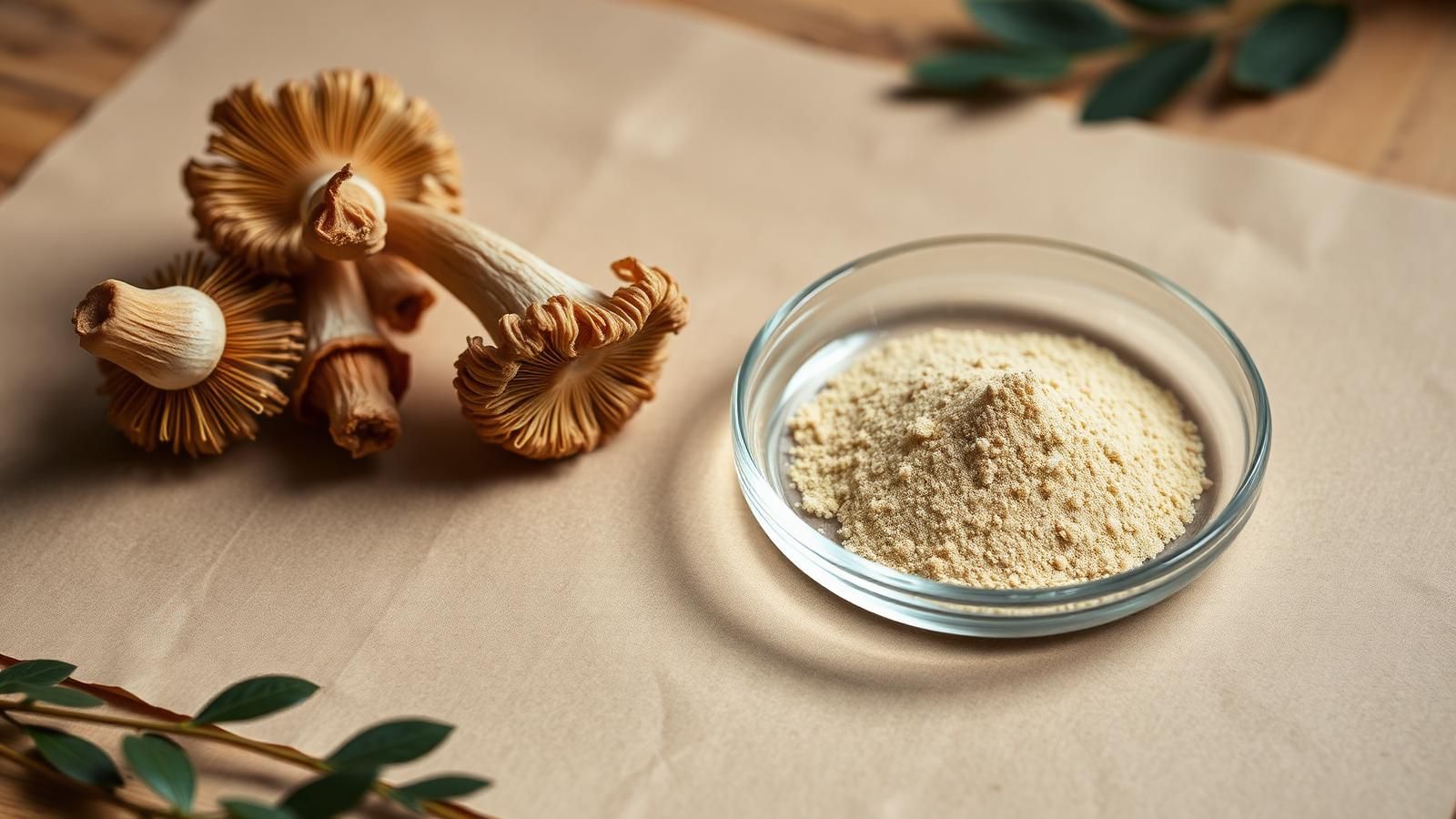
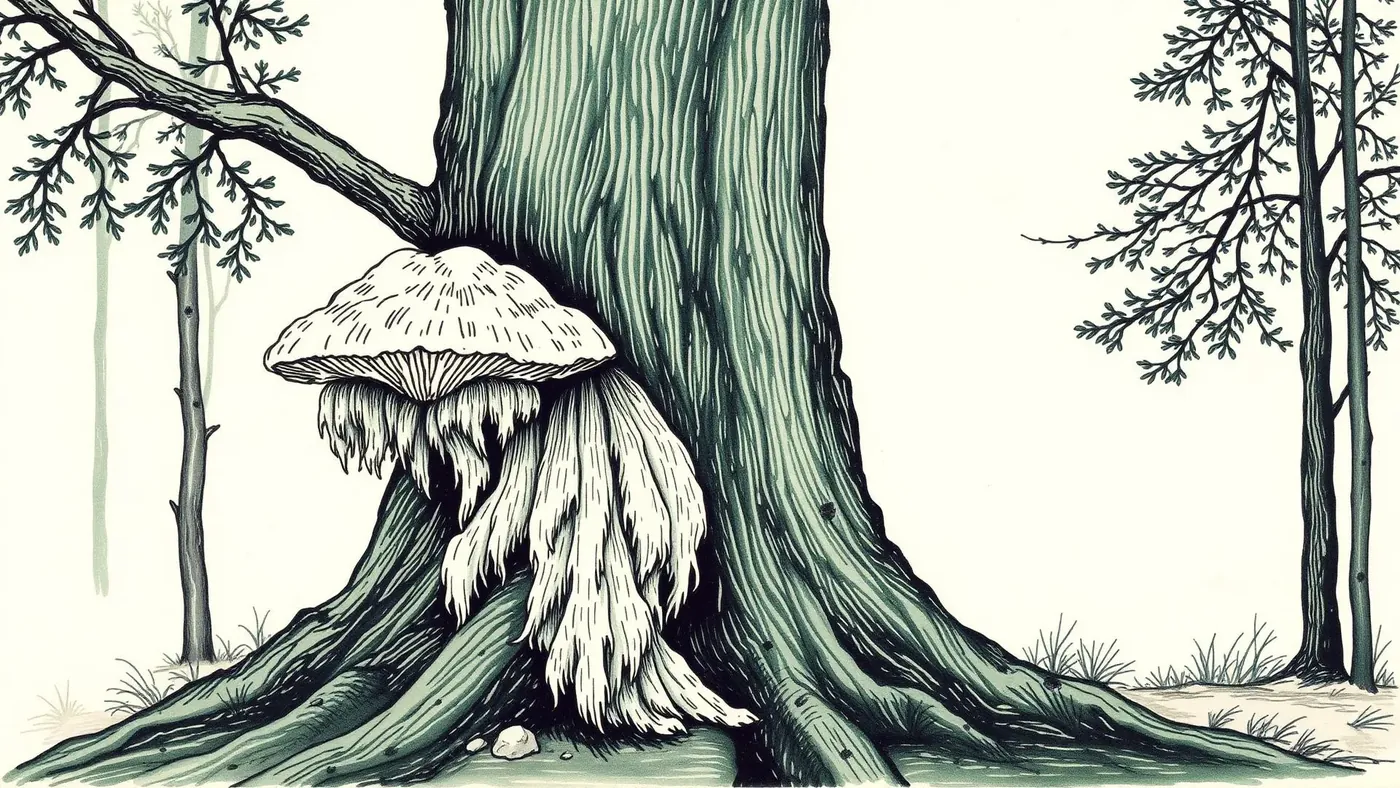
Hericium erinaceus. A white, shaggy, waterfall-looking mushroom that grows on hardwood, mostly on beech and oak. It is genuinely delicious, with a texture somewhere near crab meat, and it has a long history of culinary and traditional use across China and Japan.
Two families of compounds attract most of the research interest: hericenones, found in the fruiting body, and erinacines, found in the mycelium. This is one of the few cases in the category where the fruiting body and mycelium question has real substance behind it rather than being purely a marketing argument, because the two parts contain measurably different things.
What the research actually shows
Here is the honest hierarchy.
Laboratory studies are genuinely interesting. In cell cultures, lion's mane compounds have been shown to stimulate nerve growth factor synthesis. That finding is real, it has been repeated, and it is the origin of essentially every claim made about lion's mane and the brain.
Animal studies are supportive but limited. Rodent studies have shown effects on various measures of nerve function and behaviour. Rodent studies are a legitimate step in the process. They are not evidence about humans, and doses used in animal work often do not translate to what is in a capsule.
Human trials are few, small, and short. This is the part that gets left out. The human research base on lion's mane consists of a handful of trials, most with fewer than a hundred participants, most running for weeks rather than months, and several with methodological limitations that the authors themselves note. Some produced positive signals. Others did not. That is what an early evidence base looks like.
Long-term human data does not really exist. There is no large, long, well-controlled trial establishing what lion's mane does in healthy adults over years. Anyone who tells you otherwise has not read the literature.
Common questions, answered straight
Does lion's mane improve memory or focus?
The honest answer is that we do not know. Some small human trials have reported cognitive changes, others have not, and none are large or long enough to settle it. Anyone stating this as established fact is going beyond the evidence.
Is fruiting body better than mycelium?
It depends what you are after, because the two contain different compound families. Erinacines are concentrated in mycelium, hericenones in the fruiting body. Neither has been shown superior in humans. The more important question is whether the brand tells you which one you are getting, and whether the extract has been tested.
How long before anything happens?
Trials that reported effects typically ran for several weeks, and in some cases the reported effects diminished after participants stopped. If you are expecting something noticeable on day three, you are working from marketing copy rather than research.
Is it safe?
Lion's mane has a long history of use as a food and reported side effects in trials are uncommon and mild, most often digestive. It is a mushroom, so if you have a mushroom allergy, avoid it. If you are pregnant, breastfeeding, taking medication or managing a health condition, ask a doctor rather than a supplement brand. That includes us.
How much should I take?
Doses used in human research vary widely and there is no established optimal amount. Follow the directions on whatever you buy, and be sceptical of any brand implying precision that the research does not support.
Why we sell it anyway
Fair question.
Because a promising early evidence base is a reasonable thing to be interested in, as long as it is described as what it is. Because lion's mane has been eaten safely for a very long time. And because the sensible position on an emerging area is neither breathless enthusiasm nor dismissal, but interest with the caveats attached.
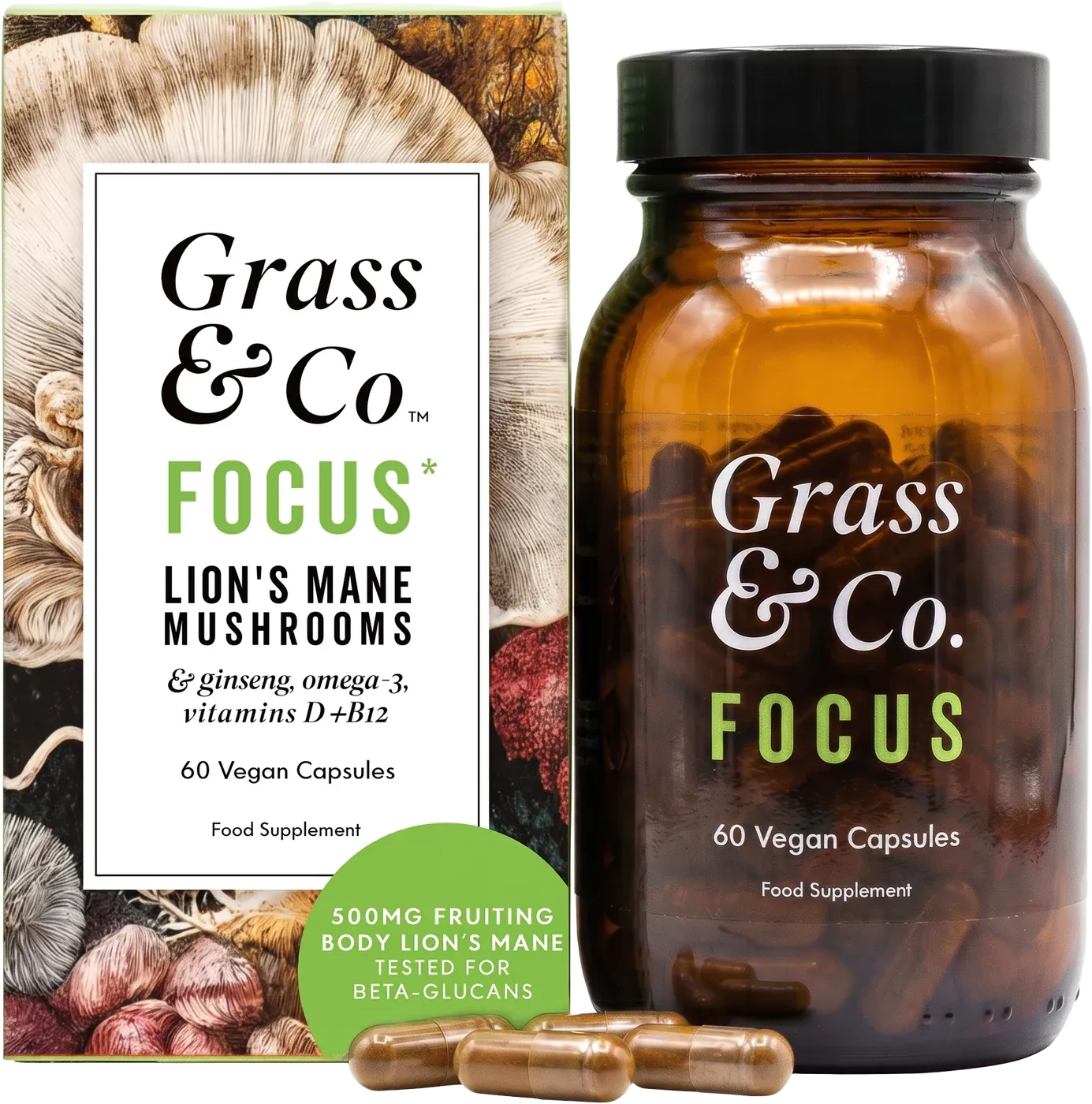
What we can commit to is the part that is fully within our control. We tell you which part of the mushroom is in the product. We publish the lab tests on every pack, so you know what you are getting and that it is what we say it is. And we do not tell you it will change your life, because we do not know that, and neither does anyone else.
The research will improve. When it does, we will update this page, including if it goes the other way.

ONE GOOD THING,
EVERY SUNDAY MORNING.
A ritual, a recipe or something we've learned in the undergrowth, plus first dibs on new pours and stockist news. No noise, ever.