There are two kinds of mushroom supplement on the shelf, and from the front of pack they look identical.
Same amber jar. Same tasteful illustration. Same reassuring numbers, printed large. One of them contains a concentrated extract of the mushroom itself, tested by an independent laboratory, with the results published. The other contains ground-up grain with a small amount of fungal material grown through it, and a marketing budget.
Telling them apart is not difficult. It just requires knowing which four things to look for, and most brands are quietly relying on you not knowing.
Here they are.
1. Which part of the mushroom is actually in there
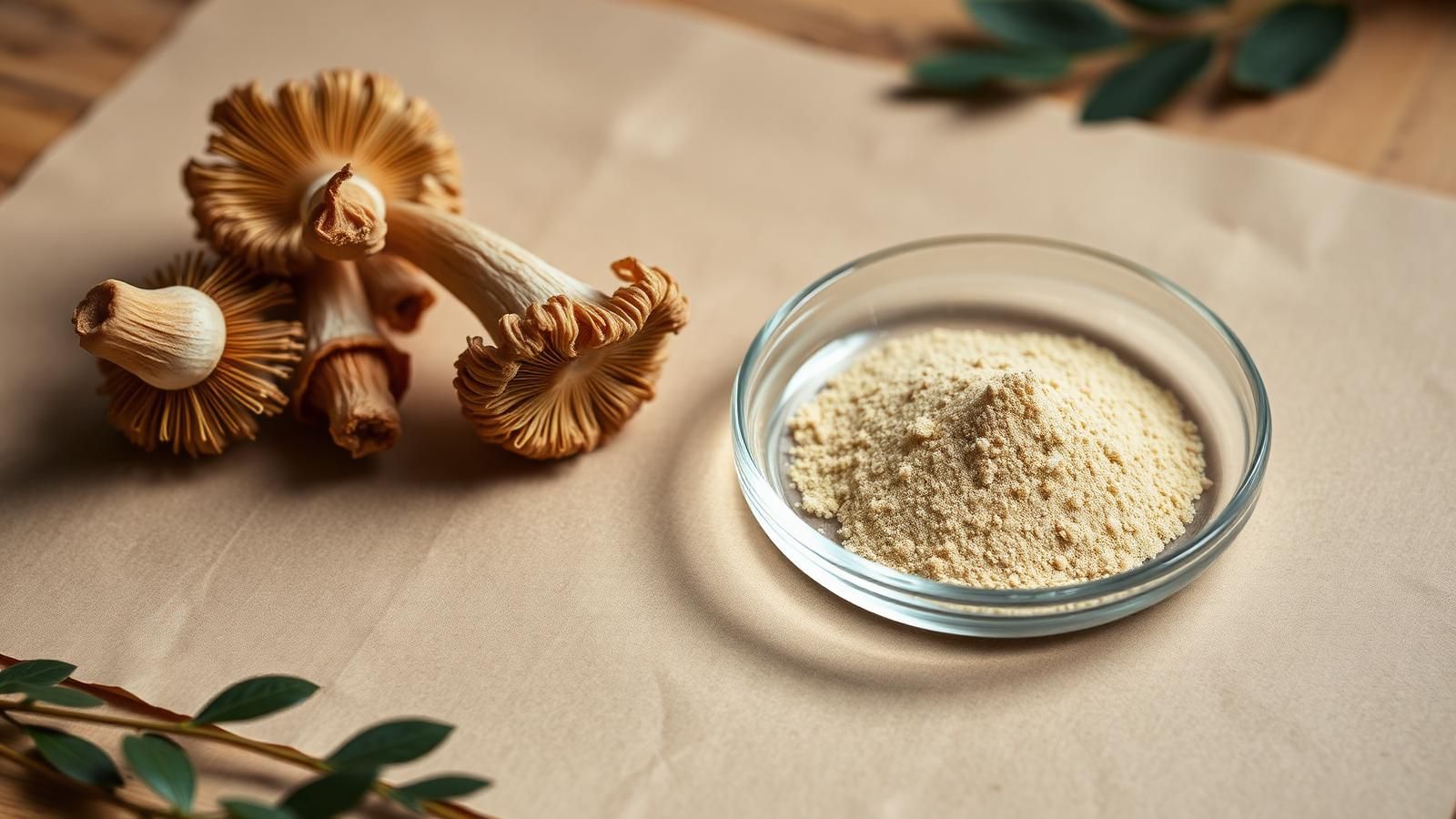
Mushrooms have two distinct parts, and supplements can be made from either.
The fruiting body is the mushroom as you would recognise it. The thing that grows above ground, gets picked, and ends up in a pan.
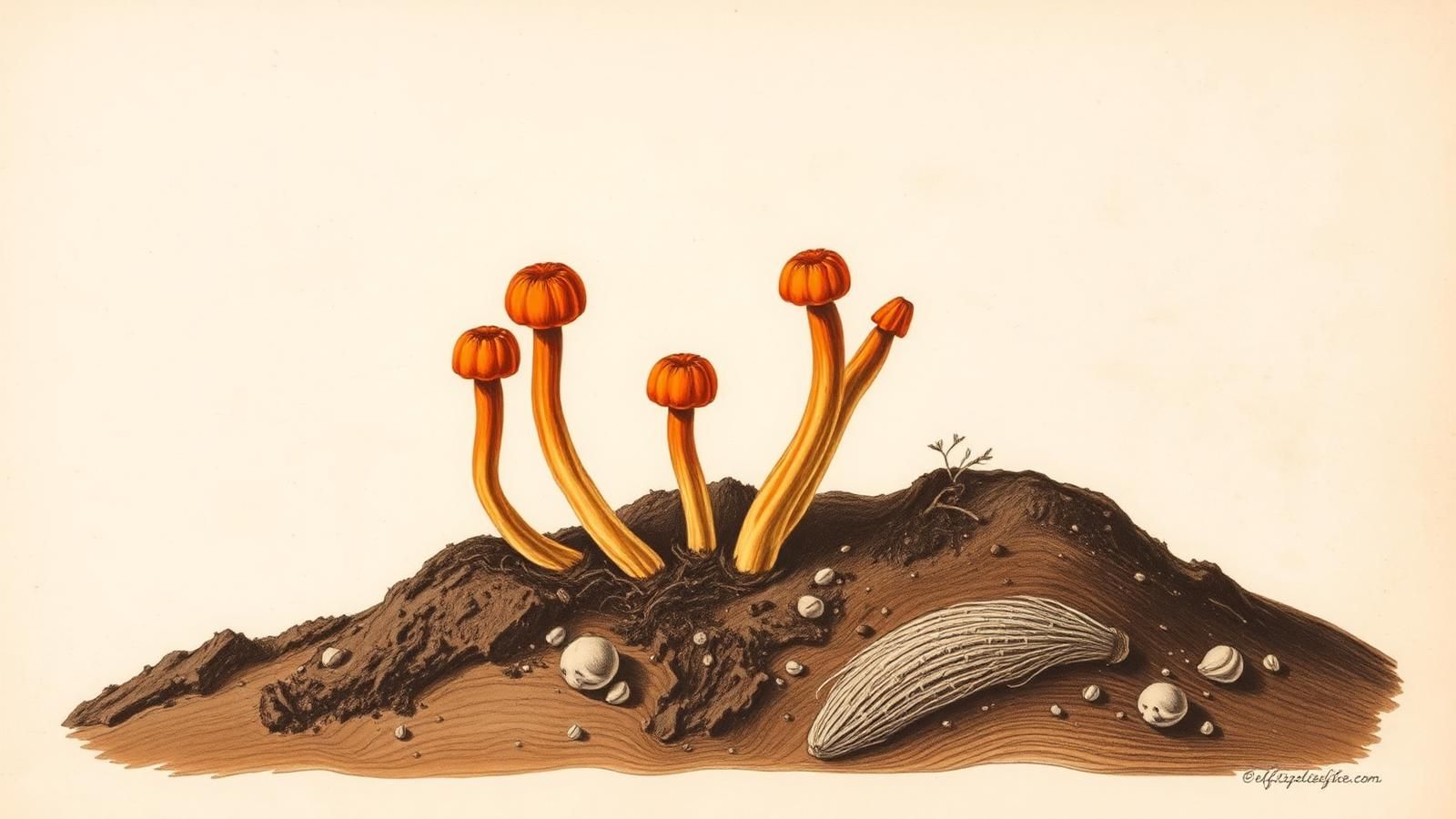
The mycelium is the root-like network underneath. In commercial production, mycelium is usually grown on a bed of grain, typically oats or brown rice, and the whole lot is harvested and milled together. That means a proportion of the finished powder is not mushroom at all. It is grain.
This is where the category gets slippery. Grain-grown mycelium is legal, cheap, and perfectly legitimate to sell. What is not legitimate is failing to say so. A label that reads "organic lion's mane powder" with no further detail is telling you almost nothing.
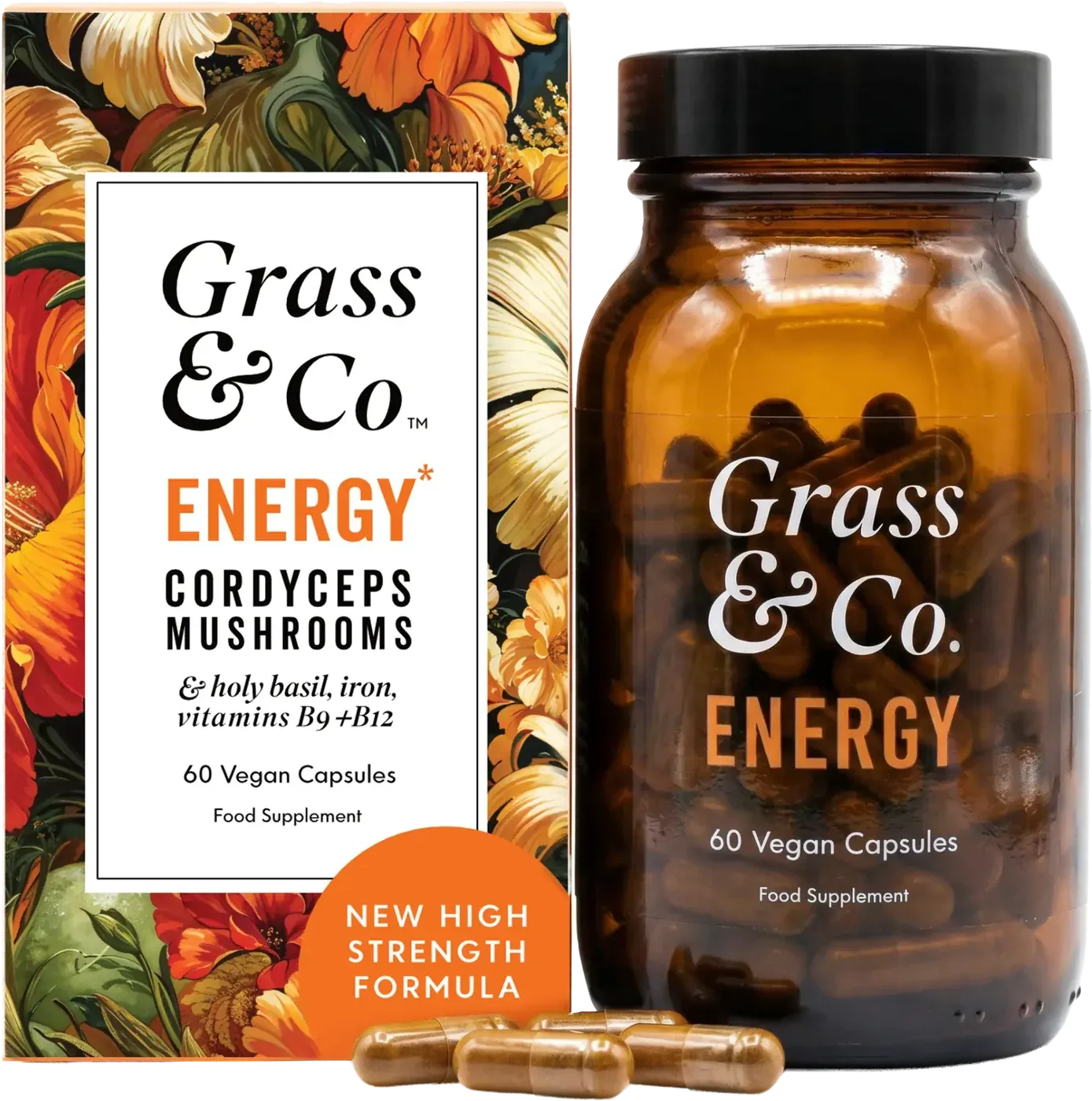
There is a fair point on the other side, and we will make it ourselves: for some species, mycelial cultivation is the sensible route, and the compounds a formulator is after are found there. Cordyceps is the clearest example, which is why our ENERGY capsules use Cordyceps mycelium and say so on the pack. The problem is never that a brand chose mycelium. The problem is when a brand chose mycelium and hoped you would assume otherwise.
What to look for: the words "fruiting body" or "mycelium" on the ingredients list. If neither appears, the brand has made a decision about what to tell you.
2. The number that matters more than milligrams
Every pack shouts a milligram figure. It is the least useful number on the label.
Two grams of a weak extract is worse than five hundred milligrams of a strong one. Volume tells you how much powder is in the capsule. It does not tell you how much of the active material is in the powder.
The figure that does tell you that is beta-glucan content, usually given as a percentage. Beta-glucans are the polysaccharides that most of the research on functional mushrooms concerns itself with, and a specified percentage means someone has measured them.
Its evil twin is alpha-glucan. Alpha-glucan is starch. When mycelium is grown on grain, the finished powder tests high for total polysaccharides, because grain is largely starch. Some brands print "polysaccharides: 40%" on the pack and let you draw your own conclusion. That number can be almost entirely starch.
What to look for: a stated beta-glucan percentage. Not "polysaccharides". Not a milligram figure standing alone. If a brand has gone to the expense of measuring beta-glucans, they will tell you.
3. What the extraction ratio is doing
You will see ratios: 8:1, 10:1, 15:1.
A 10:1 extract means ten kilograms of raw material were concentrated down to one kilogram of finished extract. Higher is not automatically better, because the ratio says nothing about what was concentrated or what was thrown away. A 20:1 extract of the wrong part of the wrong species is still the wrong thing, in a smaller volume.
What the ratio does tell you is that extraction happened at all. Plenty of products are simply dried mushroom, milled. That is food, not an extract, and it should not be priced like one.
What to look for: a stated ratio and a stated extraction method. Hot water, alcohol, or dual. Different compounds come out in different solvents, so the method is a real signal that the formulation was designed rather than assembled.
4. Whether anyone has checked
This is the one that settles it.
A certificate of analysis is a laboratory report on a specific batch. It confirms the species is what the label says, reports the beta-glucan content, and screens for heavy metals, pesticides and microbial contamination. Mushrooms are efficient accumulators. They take up what is in their growing substrate, which is a virtue in a forest and a liability in a supply chain.
Batch testing costs money and takes time, which is precisely why it is a useful signal. A brand willing to publish results for every batch is a brand that has to keep passing.
We share lab tests on every pack. Not on request, not for a selected batch, not buried in a footer. Every pack. You can check ours before you buy, which is roughly the point.
What to look for: results you can see without emailing anyone. "Third-party tested" as an unsupported phrase on a carton is a claim about a claim.
The thirty second version
Pick up any jar and ask four things. Which part of the mushroom. What is the beta-glucan percentage. Was it extracted, and how. Can I see the test results.
Most packs fail at the second question. A few fail at the first. The ones that answer all four are the ones worth your money, and they are not always the expensive ones.
Go and look at what is in your cupboard. It is a strange feeling, reading a label properly for the first time.

ONE GOOD THING,
EVERY SUNDAY MORNING.
A ritual, a recipe or something we've learned in the undergrowth, plus first dibs on new pours and stockist news. No noise, ever.