Used in Indian cooking and Ayurvedic practice for millennia, stirred into golden milk, ground into pastes, and taken daily as a staple of movement and recovery rituals.
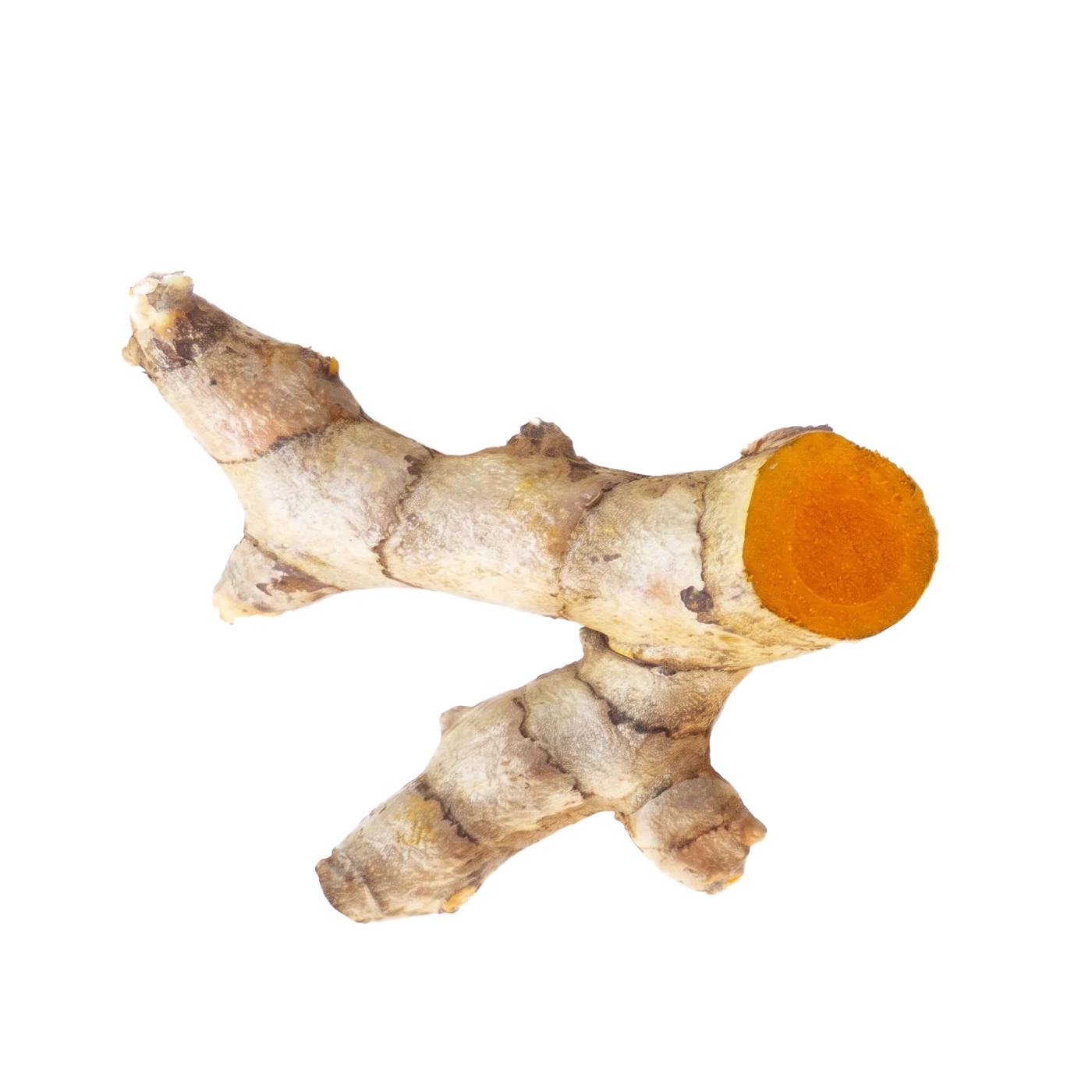
The Herbarium / N° 17
Turmeric
Curcuma longa
Botanical
The golden root of Ayurveda, four thousand years of daily ritual in one rhizome.
Curcuma longa rhizomes from India, where the plant has been farmed since ancient times, extracted for a consistent daily dose.
- Curcuminoids
- Curcumin, demethoxycurcumin and bisdemethoxycurcumin.
- Turmerones
- The aromatic oils in the whole root.
Standardised root extract. Curcumin is famously poorly absorbed on its own, which is why extraction form matters more than raw dose.
Curcumin is one of the most published natural compounds of the last two decades, with a well-documented bioavailability problem that reformulation research continues to address.
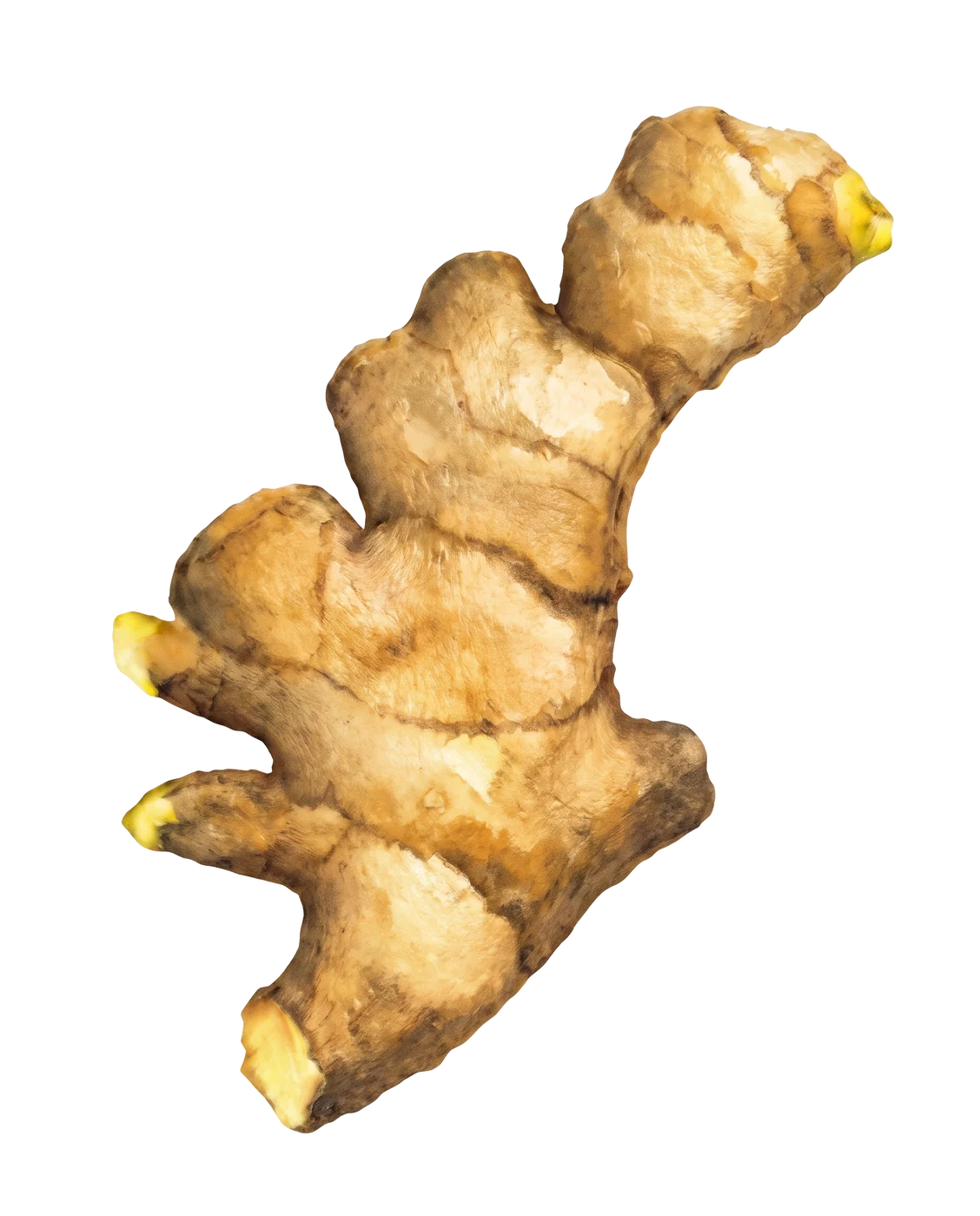
- Turmeric and ginger are both rhizomes from the same botanical family.
- It has been used as a dye for monks' robes for well over a thousand years.
- Black pepper's piperine is the traditional partner for a reason, it slows curcumin's clearance.
Curcuma longaHaldiIndian saffron
Traditional use reflects historical and cultural practice, not licensed health claims. Always read the label and consult a healthcare professional if unsure.
Where you'll find it