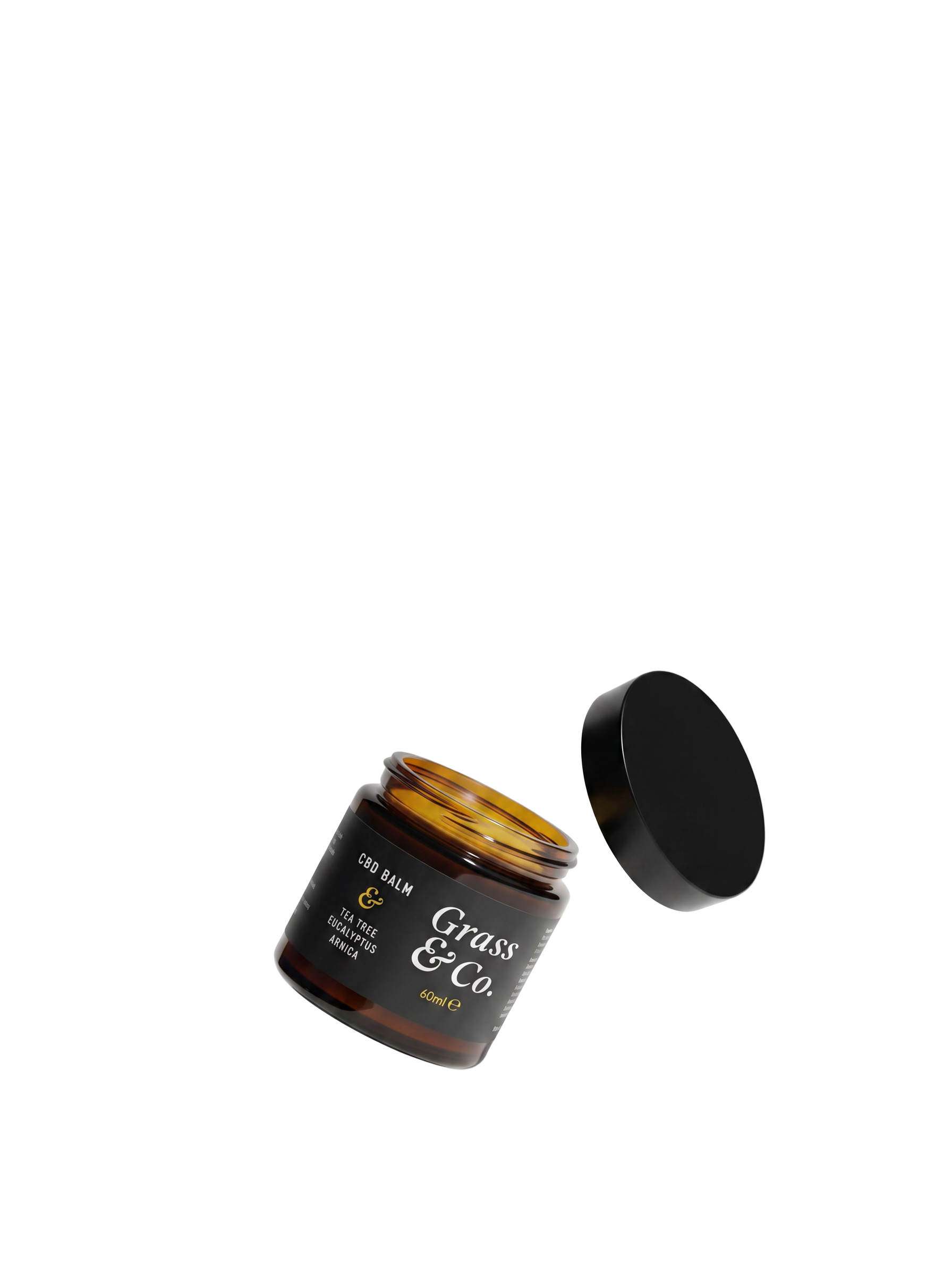
Cultivated since ancient Egypt, mint has been the world's palate-cleanser and after-dinner tea for millennia, and the cooling heart of traditional muscle rubs.
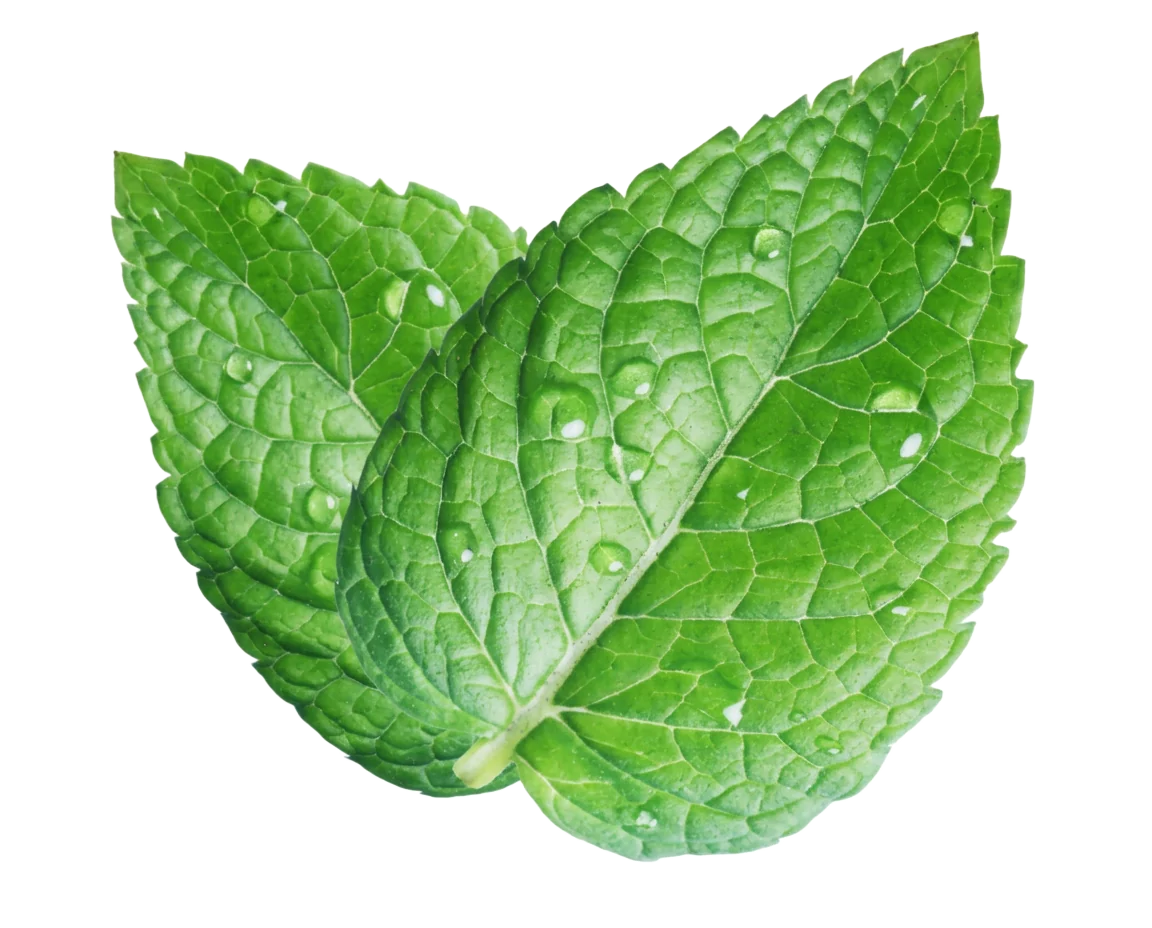
The Herbarium / N° 22
Peppermint
Mentha × piperita
Botanical
The cool green leaf that makes everything taste like a fresh start.
Mentha oils steam-distilled from the leaves, bright, clean and instantly recognisable.
- Menthol
- Triggers cold-sensing receptors in the skin.
- Menthone
- The secondary note in the essential oil.
- Rosmarinic acid
- A polyphenol shared across the mint family.
Essential oil in our topical balm, for the immediate cooling sensation on application.
Peppermint oil is among the best-evidenced botanicals in Western practice, with clinical literature covering both topical application and enteric-coated internal use.
- It's a sterile hybrid of watermint and spearmint, it can only be propagated by cuttings.
- Menthol doesn't lower skin temperature; it convinces your nerves that it has.
- Dried peppermint has been recovered from Egyptian tombs dating to around 1000 BC.
Mentha × piperitaBrandy mintBalm mint
Traditional use reflects historical and cultural practice, not licensed health claims. Always read the label and consult a healthcare professional if unsure.
Where you'll find it