In 2024 we ran a small pilot with Research Smart to see what happened when real people took DREAM for 17 days. We are sharing the results here, with the caveats up front, because a half-told study is worse than no study at all.
What we set out to do
We wanted an honest snapshot of how DREAM fitted into people's evenings. The study was designed as an open consumer diary, not a clinical trial. There was no placebo group, no blinding, and no medical diagnosis. Participants were UK adults who self-reported trouble winding down but had no diagnosed sleep disorder and took no sleep medication.
After a baseline period, 41 people completed the full 17-day diary. They recorded bed and wake times, estimated sleep latency, total sleep time, and three self-reported scales: a sleep quality visual analogue scale, a refreshed-on-waking visual analogue scale, and the Epworth Sleepiness Scale, a questionnaire sometimes used in sleep medicine.
What the diary showed
The numbers below are self-reported changes from baseline to the supplement period. They are interesting, but they are not proof that DREAM caused the changes.
- Sleep quality score (VAS 0-100): average rose from 56.5 to 64.7, a 14.5% increase.
- Refreshed score (VAS 0-100): average rose from 48.6 to 62.5, a 28.4% increase.
- Epworth Sleepiness Scale (0-24): average fell from 4.6 to 3.4, a 27% decrease. This scale is used to assess daytime sleepiness in clinical settings; our study was not a medical assessment.
- Sleep latency: the proportion of entries reporting falling asleep within 15 minutes rose from 37.8% to 48.7%.
- Total sleep time: a small, non-significant increase, suggesting the main shift was in how people felt rather than how long they slept.
Compliance was high: 97.3% of doses were taken. The qualitative comments were largely positive, though a few people reported feeling stimulated or anxious, a useful reminder that supplements do not suit everyone.
Why we cannot say "it works"
The study has clear limits. The sample was small and self-selected through social media. Without a placebo group we cannot rule out expectation effects, seasonal changes, or the simple fact that keeping a sleep diary can itself improve sleep. Some participants also confused the 24-hour clock when recording times. Most importantly, this was not a medical trial, so none of the findings can be used to claim that DREAM treats or prevents any sleep disorder.
That is why we have removed the old marketing headline and replaced it with a link to this page. The study is real, the numbers are real, but the honest conclusion is that more rigorous research is needed before anyone can claim DREAM "works" for sleep.
What we are doing next
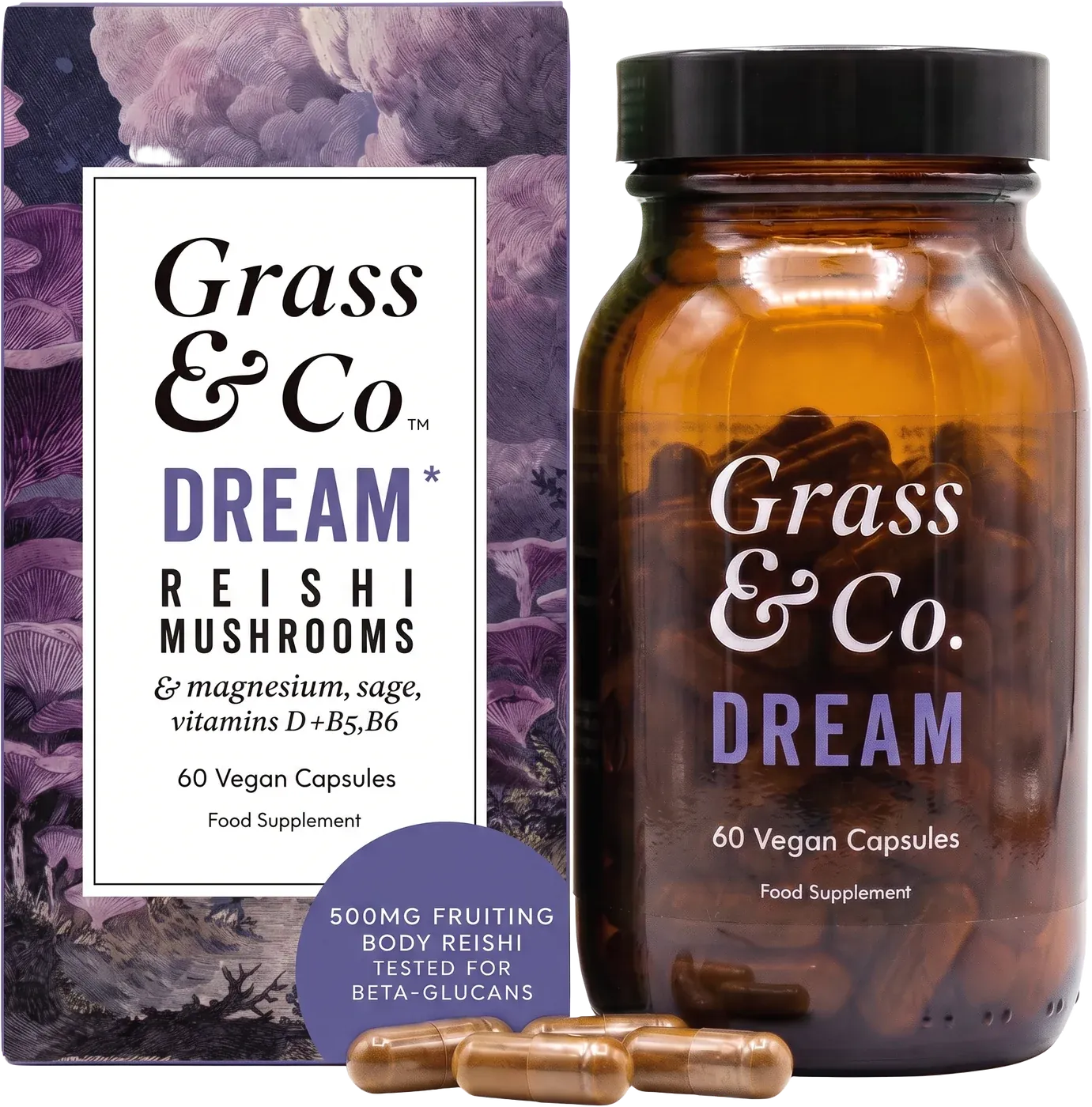
Research Smart's recommendation, which we agree with, is to run a lightweight placebo-controlled trial with variable dosing if we want to establish a causal relationship. Until then, DREAM remains a food supplement formulated for an evening wind-down routine, with Magnesium and Vitamin B6 contributing to normal psychological and nervous system function.
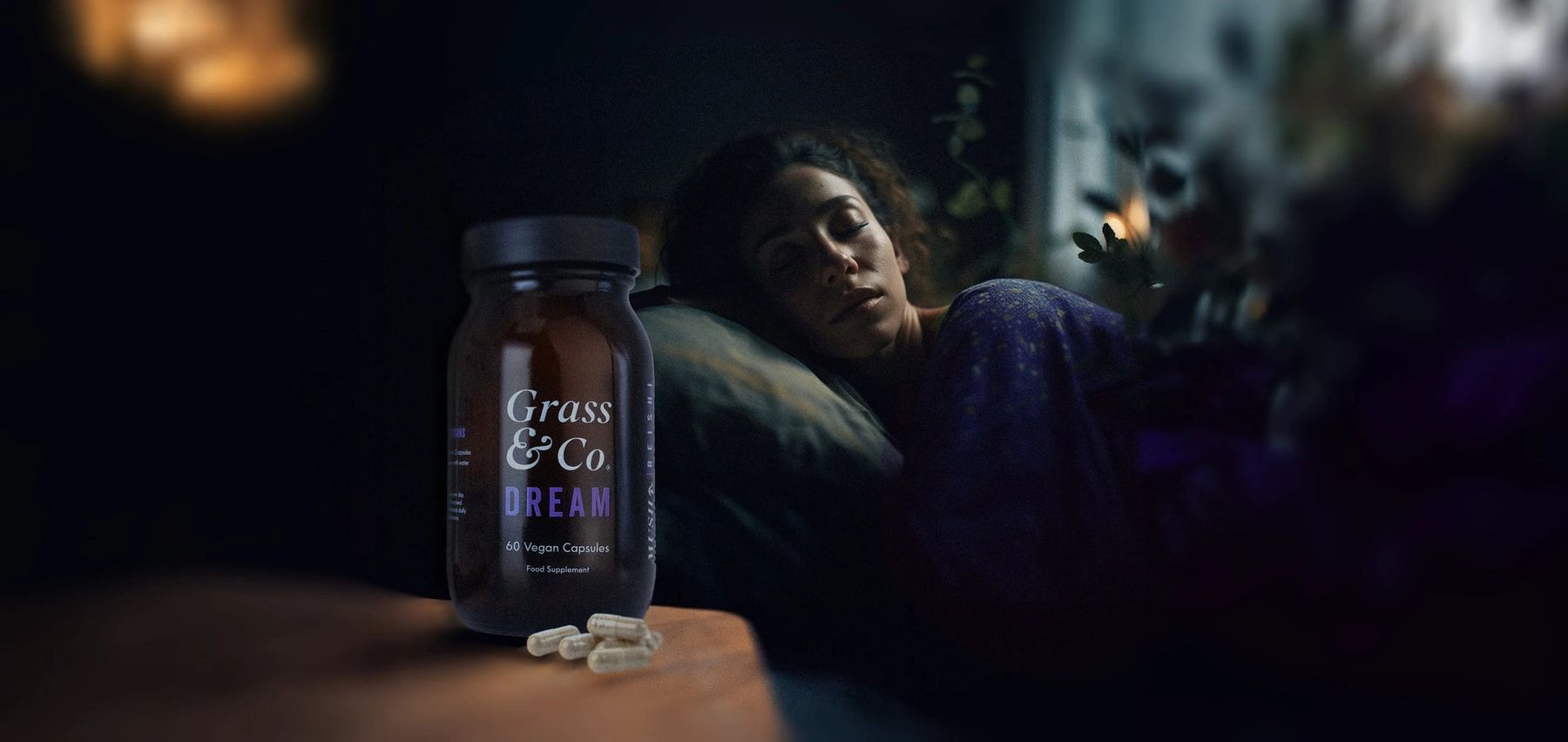
If you want to try it, treat it as part of a ritual, not a switch. Take one or two capsules in the evening, keep the jar on your bedside table, and give it at least a month before deciding whether it belongs in your routine.

ONE GOOD THING,
EVERY SUNDAY MORNING.
A ritual, a recipe or something we've learned in the undergrowth, plus first dibs on new pours and stockist news. No noise, ever.